New monthly minimums
The chairman of the government-appointed garment industry wage board said on Wednesday that the majority of the board agreed to increase the sector’s minimum wage from 12,500 taka ($100) to 17,500 taka ($136) monthly. This 36 percent pay rise follows months of protests, though the amount remains below the 30,000 taka ($240) monthly wage that protesters had asked for. The Bangladesh Garment Manufacturers and Exporters Association (BGMEA) reports that recent protests cost the industry an estimated $428m in losses, and $254m in orders moved to other countries.
| Wage Figures | Value |
|---|---|
| Previous monthly wage | 12,500 taka ($100) |
| New monthly wage | 17,500 taka ($136) |
| Protesters’ demand | 30,000 taka ($240) |
| Total monthly increase | 36% |
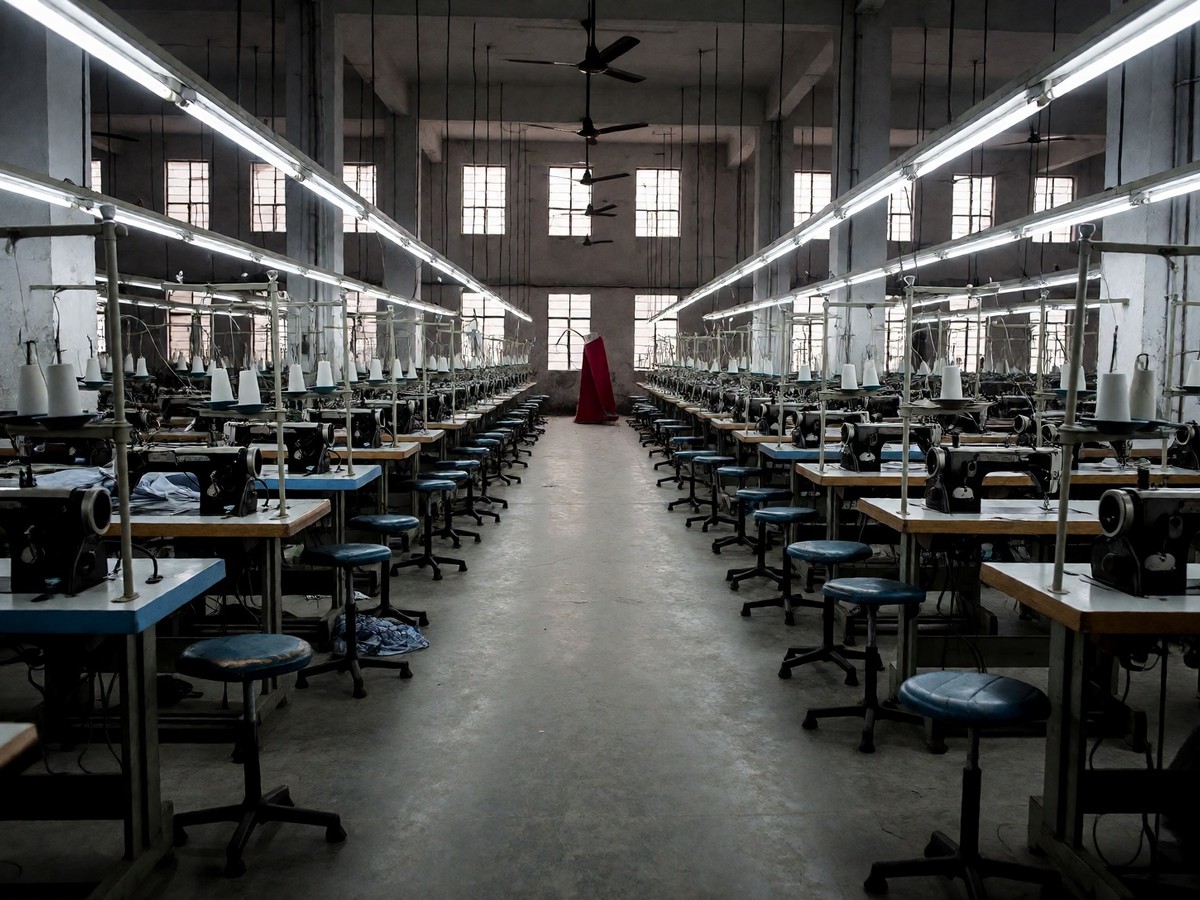
The garment sector employs four million people and accounts for four-fifths of the exports of Bangladesh, a nation of 170 million people. Because it earns roughly $38bn a year, the central bank calls the sector the "country’s export engine." This industry makes Bangladesh the world’s second-largest garment exporter behind China.
Worker response and safety history
Babul Akhter, the labour representative on the wage board, stated to reporters, "Although we are not completely satisfied, the outcome is not entirely bad either." He urged workers to return to their factories. Because the board revised wages after three years instead of the usual five, Akhter suggests the outcome holds some value. The wage hike begins in December, and workers receive the new salaries in January. It remains unclear if workers will accept the 17,500 taka offer.
The industry’s history includes fatal safety failures, such as the 2013 Rana Plaza factory collapse that killed 1,134 people and injured thousands, which exposed poor safety standards and working conditions for the millions of workers in the industry. Numerous other incidents, including fires, resulted in deaths that sometimes killed dozens of people. A large portion of the four million workers are women living in rural areas. The $428m in losses reported by the BGMEA shows the severe economic cost of the protests that cost the country hundreds of millions of dollars in lost production and diverted orders.