Election delay decree
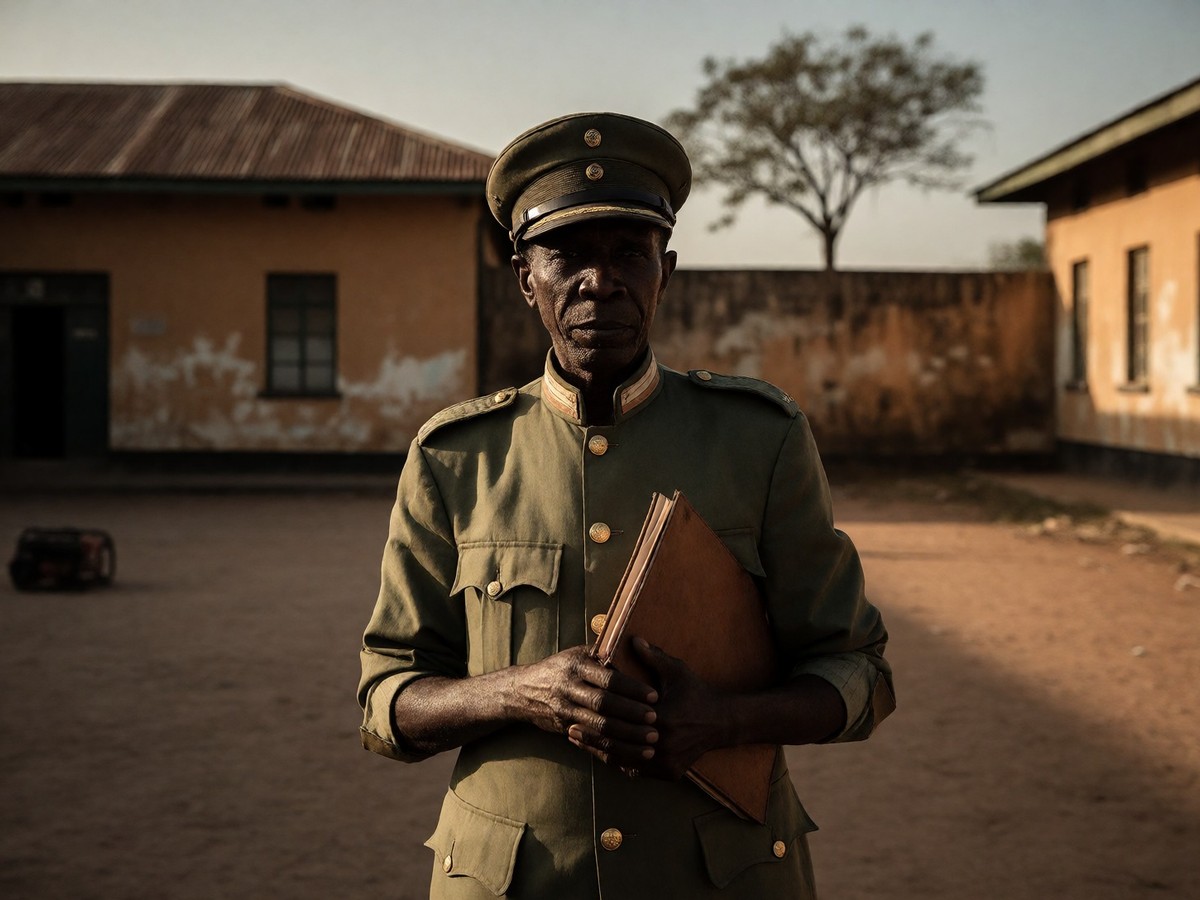
Major-General Horta Inta-a issued a decree on Thursday postponing Guinea-Bissau’s presidential and legislative elections for two years. The presidential and legislative elections, which the military government scheduled for December 6, will now take place in November 2028 according to the decree issued by the transitional president. I view this two-year delay as a complete stalling of the transition to civilian rule. Inta-a cited "an insufficiency of the technical, material and financial conditions" to hold the vote. This decision arrived on the anniversary of the military takeover. The military seized control last year and overthrew incumbent Umaro Sissoco Embalo. The coup inaugurated Inta-a as head of the military government to oversee a one-year transition period. Prime Minister Ilidio Vieira Te also stated last month that the country lacked the necessary conditions for December elections. The coup occurred three days after the previous general election. Both Embalo and candidate Fernando Dias da Costa claimed victory in that contest.
Political context and history
The military seized power last November, three days after a general election where both incumbent Umaro Sissoco Embalo and opposition candidate Fernando Dias da Costa claimed victory following the military’s arrest of Embalo one day before the results. Although the transitional charter published in early December barred Inta-a from running, voters approved a constitutional change in August that gives the president more powers. I find the arrest of Embalo just before the results came out to be a blatant disruption of the democratic process. The country of 2.2 million people is a known hub for drug trafficking between Latin America and Europe, a trend that experts say has fueled political crises. The nation also faces high levels of corruption. Freedom House ranks Guinea-Bissau as "partly free" because of military interference in elections. Reporters without Borders ranks the nation 100 out of 180 countries on its press freedom index. They say political and economic pressure has severely tested the practice of journalism in recent years. ECOWAS has urged Guinea-Bissau to transition back to civilian rule. Guinea-Bissau is a small tropical Portuguese-speaking nation on the West African coast. The nation has seen multiple coups in its history since it gained independence from Portugal more than 50 years ago.