Regulatory approval and deployment specs
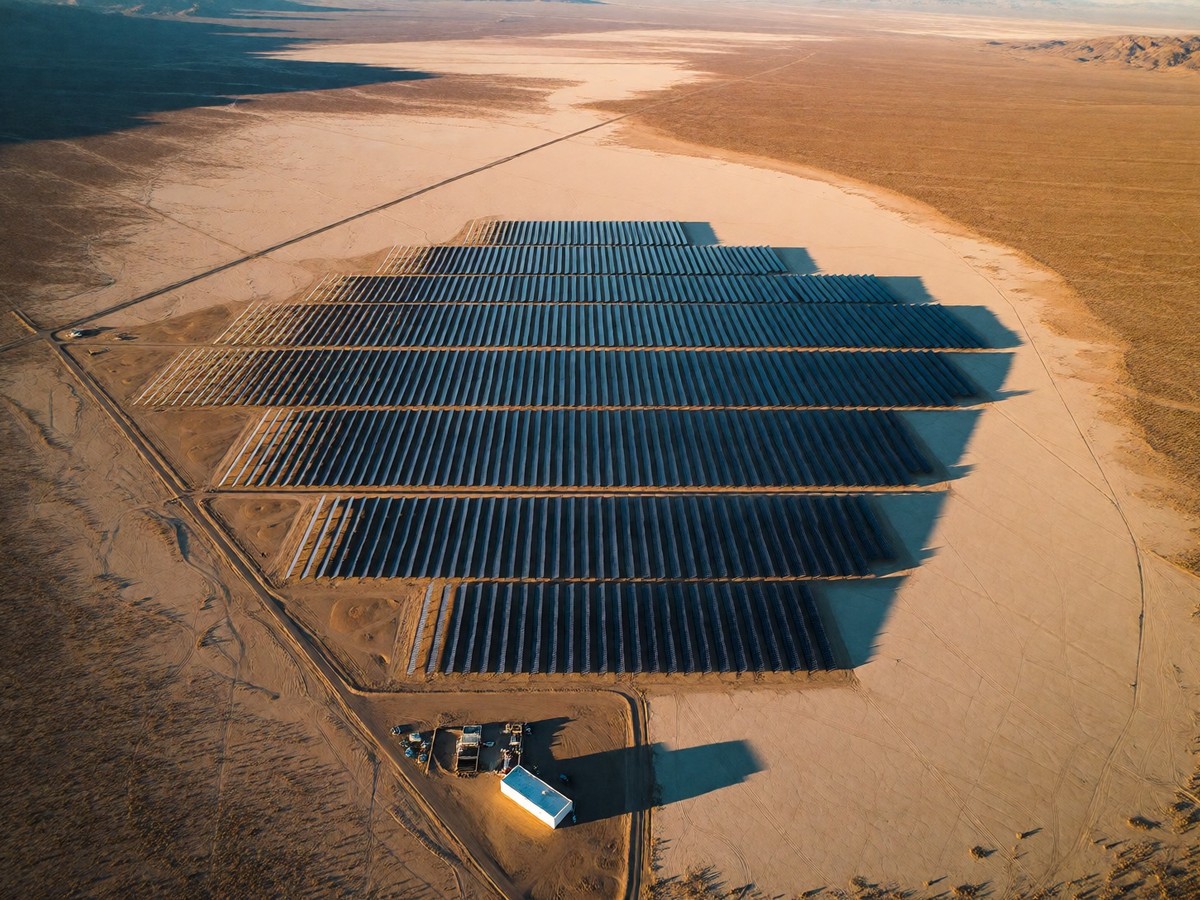
The FCC granted SpaceX permission this Wednesday to launch one million satellites to build the Starmind orbital data center network. This project uses solar light to power satellites that process artificial intelligence data in low Earth orbit at altitudes between 500 and 2,000 km. These satellites will communicate with the existing Starlink network, which currently uses over 10,000 satellites, to relay results back to Earth. SpaceX aims to launch its first Starmind satellite next year. The FCC license requires the company to begin deployment by November 2033, with 10% of the constellation operational by November 2035 and 50% by November 2038. It remains unclear whether SpaceX will launch the full million satellites or if they requested authorization for a larger number than they intend to use.
| Metric | Requirement/Value |
|---|---|
| Total satellites | 1,000,000 |
| Deployment start | November 2033 |
| 10% deployment | November 2035 |
| 50% deployment | November 2038 |
| Orbital altitude | 500 to 2,000 km |
I find the regulatory push for this project quite aggressive, especially since the FCC director, Brendan Carr, says it "opens a new and bold frontier" for infrastructure to boost US economic growth. The FCC stated the project would support the "flourishing economy of superintelligence" in the United States. Elon Musk claimed on X that the move "will be a great asset to the United States and the world."
Technical hurdles and widespread opposition
Amazon called the project "an excessive ambition rather than a real plan," while the American Astronomical Society said the decision would "significantly undermine" decades of federal investment in astronomical facilities and the public ability to observe the night sky. The American Astronomical Society noted that the larger and brighter objects will be visible in the sky for longer periods. Jan Hasselman from Earthjustice stated that the expansion of satellites in space has a direct impact on the planet and daily life. Martin Sweeting, the founder of Surrey Satellite Technology Ltd, told BBC Radio 4 that the plan is "technically feasible" but noted that laser links from Earth may not support the massive data volumes required for such a system to work at a large scale.
Google and Blue Origin also explore orbital data centers to provide a greener alternative to terrestrial facilities that consume massive amounts of energy and water for cooling. SpaceX says orbital centers are the most profitable and energy-efficient way to meet AI demands. Terrestrial data centers face difficulties finding land for construction, and many local residents refuse to have these massive facilities built near their homes. These facilities were a factor in Republican defeats in US midterm elections. However, launching hardware to orbit remains expensive, and the growing amount of space debris threatens the physical machines. I find the collision risk particularly concerning, as more objects in low orbit increase the chance of damage or debris falling back to Earth. Starlink has previously faced accusations of creating space congestion, though Musk denies this.