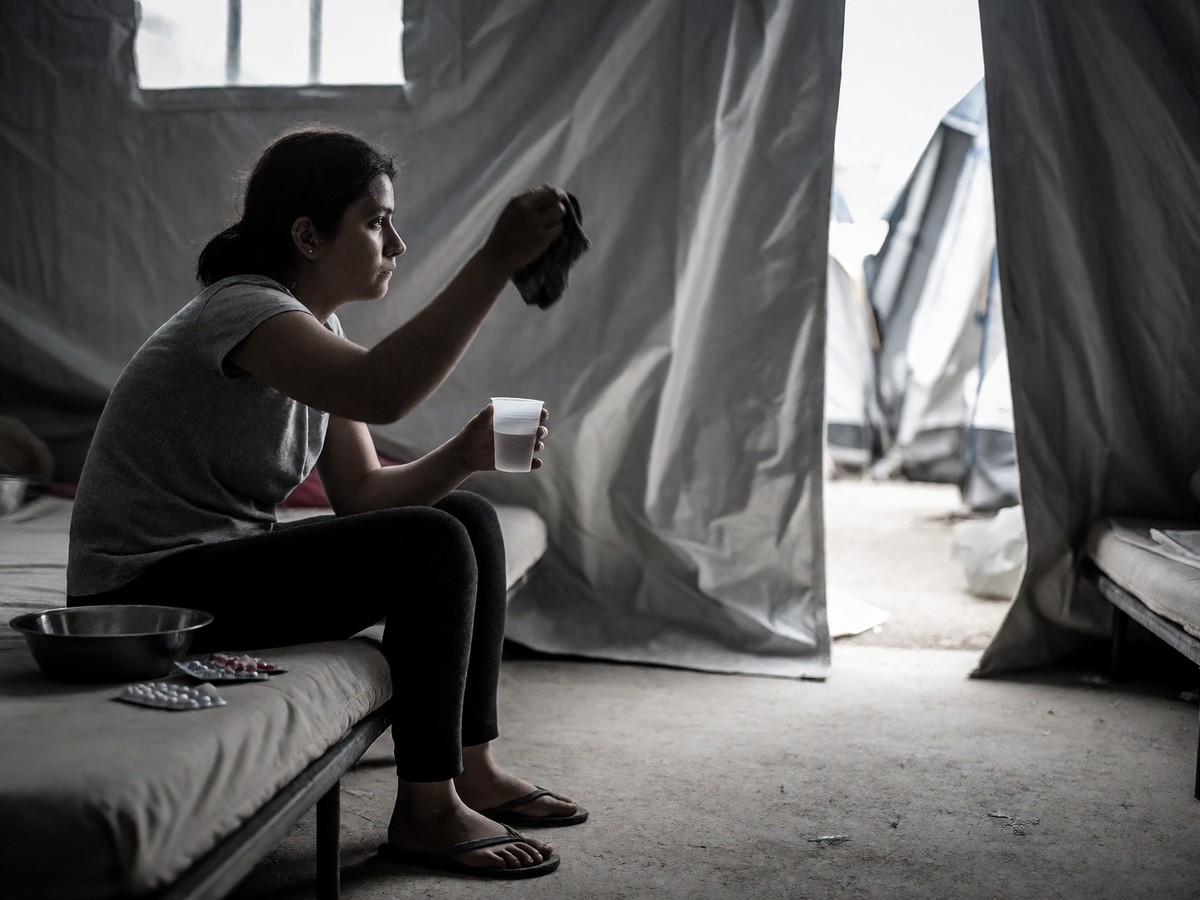
Rising cases and hospital pressure
The Gaza Ministry of Health issued an epidemic alert on November 24 after meningitis cases spiked. In October, the ministry recorded 272 cases, which is far higher than the usual monthly average of 30 to 50. During the first weeks of November, 100 additional bacterial cases were reported. Since the beginning of 2026, the disease has caused 15 deaths, including five deaths between August and October. I find the scale of this bacterial surge devastating, as cases jumped from a dozen to over a hundred in a single month.
The World Health Organization warns that limited laboratory capacity makes it difficult to distinguish between viral and bacterial infections. Because bacterial meningitis can cause death or lasting complications like hearing loss and neurological damage, the current shortage of supplies is dangerous. The UN reports that 42 percent of essential medicines reached zero-stock levels in October. At Rantisi Children’s Hospital, paediatrician Sharif Matar says the wave began about a month ago. He notes that while daily admissions fell from over 10 per day to three or four per day, the wave has not ended. Matar links the infection spread to overcrowding in displacement camps and tents where families lack water and hygiene facilities.
Matar says the hospital has not recorded meningitis deaths during this current wave, though some children developed serious complications like hearing loss and hydrocephalus, which requires surgery to relieve pressure from fluid that builds up in the brain. Rantisi is one of the few remaining hospitals providing paediatric services in Gaza and receives children from across the territory. Matar says the hospital obtains necessary treatments through the Ministry of Health’s medical warehouses, although some medicines are occasionally unavailable.
Families struggle in displacement camps
Five-year-old Omar Abu Fayed has returned to the Rantisi isolation ward for the third time in less than a month. His mother, Zakia Abu Fayed, says his fever and pain return days after every discharge. Omar’s illness includes a high fever, severe headache, and abdominal pain. After five days of home treatment with antibiotics, his condition did not improve, as his temperature rose above 40 degrees Celsius and he stopped eating. Zakia, who is 24 and originally from Jabalia, believes Omar may have contracted the infection at kindergarten.
Aya Salem says she lacks reliable access to clean water, making hygiene difficult in her accommodation. Her six-month-old twins, Yaman and Yumna, both required hospital treatment for meningitis. Yaman developed a fever, diarrhoea, and a skin rash before staying in the hospital for 10 days. Yumna faced a fever between 39C and 39.7C, severe diarrhoea, and vomiting, which prevented her from breastfeeding or taking formula. The doctors treated her with intravenous fluids, medication, and zinc supplements. I see no way for families like Aya’s to avoid these infections when they live in such crowded, unsanitary conditions.
Yumna lost considerable weight during her illness, and her mother says the doctor called her one of the most difficult cases. Aya, who lost two daughters, Ayloul and Amal, in an Israeli air strike on December 19, 2023, pleads for intervention to improve the shattered living conditions. She says she rarely left her accommodation for six months to avoid people, but she still does not know what happened to her children.