Severe destruction in Piura
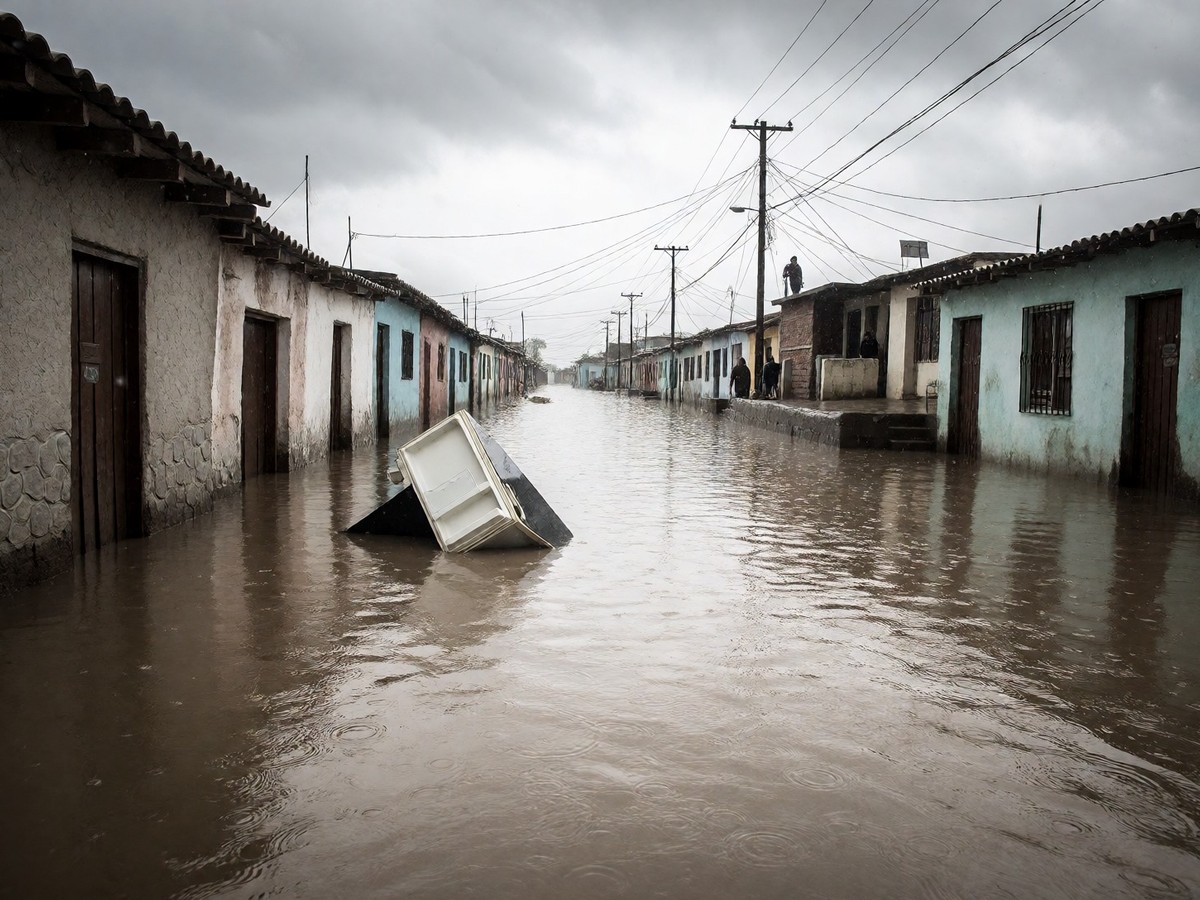
Waist-high water flooded the streets of Piura following 12 hours of heavy rain that began on Thursday. National Institute of Civil Defense chief Luis Vasquez told RPP radio that 2,000 families in the Piura region face impacts from these rains. Pierre Garavito, a resident of the Santa Margarita neighborhood, watched his refrigerator bob in the water as he lost everything in his home. The flooding forced authorities to move patients from the respiratory infection ward at Jose Cayetano Heredia Hospital to its auditorium, while they transferred patients in more serious condition to intensive care. I find the relief efforts poorly managed because machines stopped due to a lack of fuel. The flooding also affected the Plaza de Armas in central Piura, along with many businesses and public buildings, while the Peruvian armed forces deployed personnel and pumping equipment to remove accumulated water from the affected neighbourhoods. The Peruvian navy blamed El Nino for heavy ocean swells that recently damaged infrastructure and forced the temporary closure of dozens of ports. National Meteorology and Hydrology Service officials warned that moderate to heavy rainfall could continue in parts of the region over the following four days. President Keiko Fujimori postponed a trip to Colombia to travel to the affected areas.
Ecuador deaths and global hunger
The National Secretariat for Risk Management reported on Friday that 34 people died and heavy rains linked to El Nino affected 47,000 people across Ecuador. In the western city of Manta, residents waded through chest-deep water and floated on mattresses after two rivers broke their banks. Fernanda Navarrete lost her furniture, clothes, and appliances after soaking in mud for four days. She reported that the stench became awful after the sewers burst. Scientists project this year’s El Nino episode to be the strongest on record because of a rise in sea surface temperatures in the central and eastern equatorial Pacific Ocean. The Food and Agriculture Organization and the World Food Programme warned that hunger will worsen in 16 global hotspots over the next six months. Sudan, South Sudan, Somalia, northern Nigeria, and Yemen face the greatest danger because of extreme weather events and armed conflict.