
Drones strike Russian vessels in Benghazi
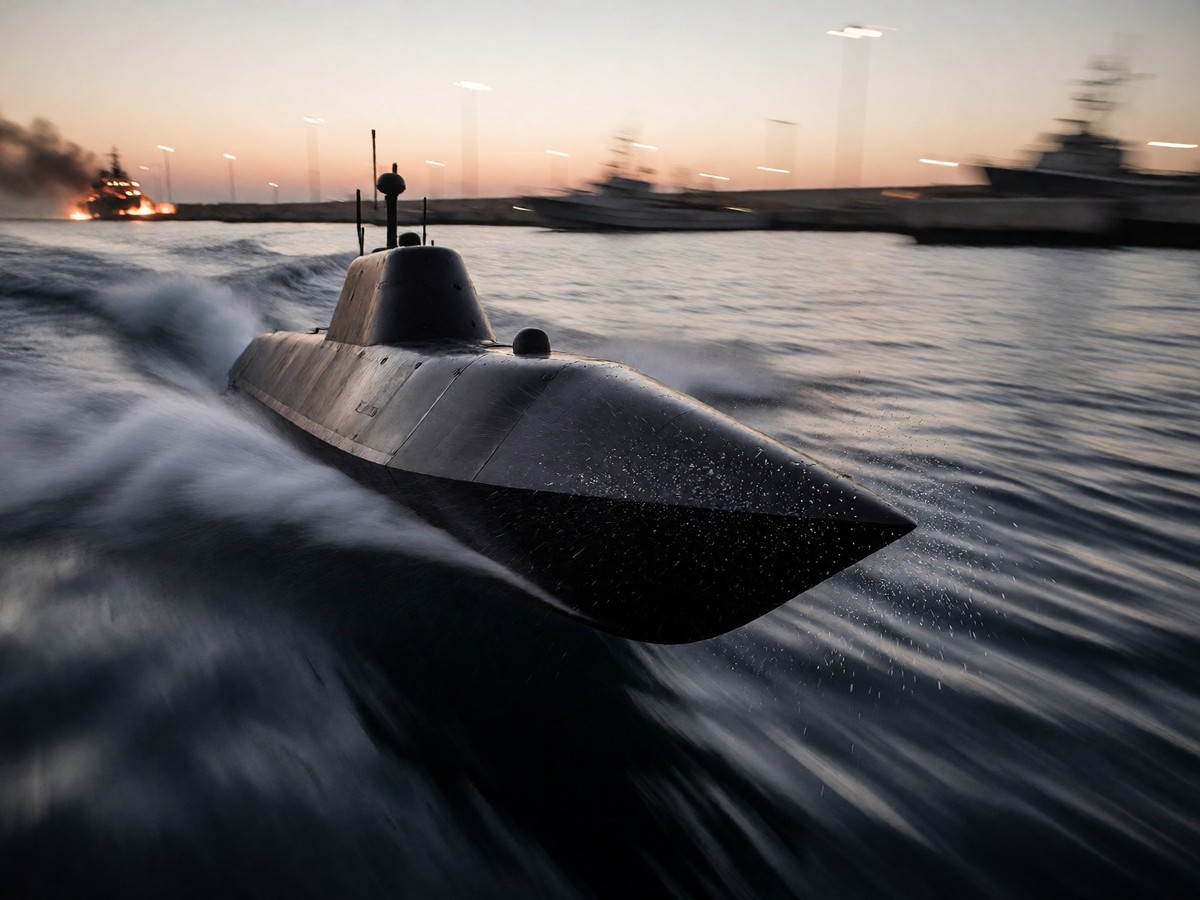
Ukraine deployed seven domestically made naval drones from a mothership to strike two Russian vessels off the coast of Libya on Sunday. The attack targeted the corvette Merkury at the Benghazi naval base and the dry cargo ship MV Angara. Satellite imagery shows the Merkury capsized and sank; only its bow remains visible above the water. President Volodymyr Zelenskyy confirmed the sinking and said the MV Angara transported weapons for Russia. Zelenskyy also reported the destruction of a Russian Kamov Ka-27 military helicopter during the operation. Residents in Benghazi heard loud explosions and saw flames at the naval base early Sunday. The Merkury had docked to refuel and take on supplies as part of a cooperation agreement between Russia and the eastern-based Libyan government, which provides support to the breakaway administration. Vladimir Putin personally visited the St Petersburg yard that built the Merkury in 2019 and supported its naming after a tsarist-era brig. During a 2023 Navy Day parade, the Russian president hailed the ship as evidence of his country’s growing naval power. Russian state media also described the vessel, with the agency Tass calling it a newest missile corvette and the channel TV Tsentr claiming its stealth technology made it invisible to radar. The SBU security service stated the operation demonstrated that the Russian military fleet and its logistics networks have no safe routes, even far beyond the Black Sea. Zelenskyy described the operation as "exemplary" and said, "We continue our operations in designated waters. We are responding to Russia’s aggression. We are developing Ukrainian weapons." I find the destruction of such a modern vessel, which Putin specifically hailed for its naval traditions, to be a significant blow to Russian maritime prestige.
Libyan reactions and Russian warnings
The Libyan eastern administration condemned the attack as a violation of its sovereignty and requested an international investigation through the United Nations. Saddam Haftar, son of Khalifa Haftar, said Libya’s security and sovereignty require prioritizing national interest rather than allowing the country to become an arena for settling scores or promoting fears. The UN Support Mission in Libya expressed serious concern over the attacks and called for an immediate, independent and transparent investigation because Libya must not become a battleground for foreign conflicts. Meanwhile, the rival UN-recognised government in Tripoli expressed alarm over risks posed by involving civilian ports and facilities in activities linked to external conflicts. Kremlin spokesman Dmitry Peskov described the Ukrainian attacks off the coast of Libya and the targeting of Russian cargo vessels in the Baltic Sea as a very dangerous trend. He warned Ukraine of painful consequences and said the Defence Ministry would provide more information. The expansion of these operations into the Mediterranean raises questions about the involvement of foreign powers in a divided Libya, which has faced internal division since the overthrow of Muammar Gaddafi in 2011. Moscow has supported the Benghazi government of Khalifa Haftar to use eastern Libya as a military staging post in north Africa and the Sahel. In April, the Associated Press reported that Ukrainian drone specialists had been operating at military sites in Misrata, Tripoli and Zawiya in western Libya. I note that the Libyan response remains divided between the eastern administration and the Tripoli-based government.
Expanding reach of maritime strikes
This operation follows other recent strikes on Russian maritime assets, such as the cargo ship Sparta II which caught fire in the Gulf of Finland on Saturday. Russian authorities said two drones hit the Sparta II in international waters before the vessel drifted toward Finnish waters. The ship anchored about 90 kilometres east of Helsinki when the fire began. All 16 crew members evacuated the Sparta II, and one person sustained a slight injury. The vessel drifted toward Russian territory. At least four Russian vessels faced drone attacks in November, including the Merkury, MV Angara, and Sparta II. Academic Alexey D Muraviev stated that the Mediterranean has become an external theatre of operations, particularly for maritime operations. He noted that the vessels targeted in Libyan and Finnish territories likely transport military equipment or supplies to support Russia’s Africa Corps. This pattern of strikes expands the geographic reach of the war beyond the Black Sea. Ukraine has previously targeted Russia’s shadow fleet, including an attack in the Mediterranean in December 2025. In March, a Russian liquefied natural gas carrier sank off the Libyan coast following an attack that Putin blamed on Ukraine. In 2024, the Ukrainian general staff announced the destruction of the Russian landing ship Cesar Kunikov with naval drones off Crimea. I see a clear trend of Ukraine using its drone industry to strike Russian logistics far from the primary conflict zone.