Local resistance and physical barriers
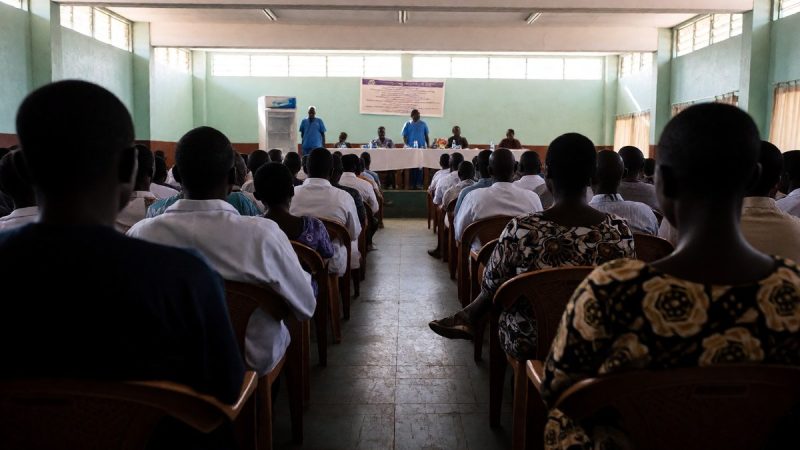
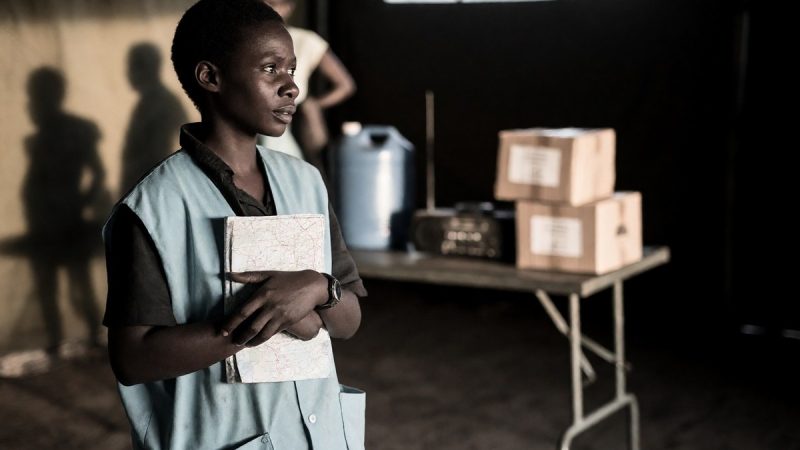
Alex Bonane Murutsi works at the Ebola treatment centre in Bunia after fighting the Bundibugyo virus for 18 days earlier this year. He says the people living here face poverty and insecurity, where every day is a struggle to survive. Murutsi sees families resist safe burials because traditional rituals involving touching, dancing, and washing the deceased conflict with isolation protocols. This resistance leads some families to hide deaths. In one instance, companions of a patient with severe bleeding accused medical staff of bringing the disease to their village and assaulted a doctor. Anna Halford, the MSF response coordinator, says physical access to some affected areas is severely compromised. This prevents the transport of supplies and the establishment of screening and surveillance. Violence in conflict-affected areas prevents health teams from reaching communities, which stops contact tracing. Teams must monitor anyone exposed for three weeks. Bumpy roads mean patients often travel for hours to reach a treatment centre. Supplies often fail to reach remote villages because of weak infrastructure. Halford notes that several areas not affected by armed groups also see a rise in cases and struggle with the response. Murutsi says local populations do not always understand that recovered patients are no longer infectious, leading to fear and avoidance. Even health workers face stigma from their own families because people do not understand how they can safely work in a treatment centre. In Bunia, there is more trust because local health workers engage directly with the community to explain necessary measures.
Funding cuts and detection failures
The dismantling of USAID and its rapid response teams, known as DART, allowed the virus to circulate undetected from February through May, which contributed to shortages of protective equipment and limited the capacity to analyze samples and conduct tests. Jeremy Konyndyk, head of Refugees International, says these cuts caused shortages of protective equipment and limited the capacity to analyze samples and conduct tests. Other donors including the United Kingdom, Germany, France, and Canada also cut back aid. This collapse of aid hit hard because these donors cut back almost simultaneously, according to epidemiologist Alain Casseus, head of the infectious diseases division of Partners in Health. The Congolese Ministry of Health and Africa CDC faced the epidemic with limited staff and supplies. Last year, the United Nations humanitarian emergency response plan for the Congo received barely a quarter of the required funding. Although G20 foreign ministers and other donors pledged money that brought global commitments to $2.9bn in September, the resources do not reach the front lines. Javid Abdelmoneim, the international president of MSF, says responders are left with empty hands and empty pockets. He says the situation is unacceptable six months into the response.
| Metric | Detail |
|---|---|
| Unidentified contacts in Ituri | 91% of MSF patients |
| UN humanitarian funding last year | Less than 25% |
| Global commitments since May | $2.9bn |
| Contact monitoring period | 3 weeks |
Poor planning and oversight lead to many overlapping aid projects in one area, while others are left neglected, a situation Halford says the DRC government itself has denounced.
The surveillance breakdown
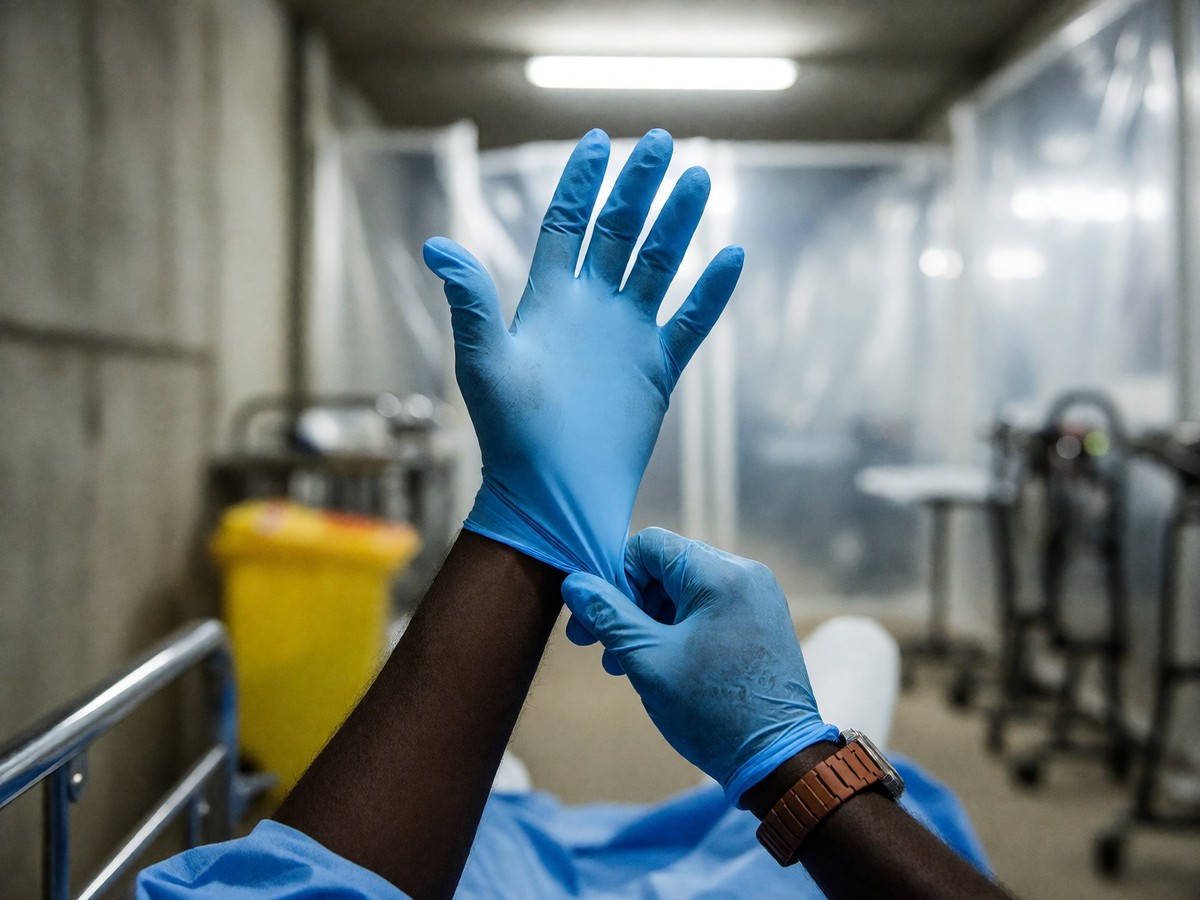
The response is clearly failing to reach those in need, as in Ituri, only 9% of patients treated by MSF teams had been identified as contacts by the surveillance system. This lack of oversight exists even as medical workers in remote clinics use makeshift COVID-19 protective gear and flip-flops. Abdelmoneim reports that ambulances lack fuel, health workers remain unpaid or untrained, and phantom surveillance teams exist on spreadsheets but not in the field. He says that despite the vast amounts of money provided for the response, many front-line responders are left trying to contain the outbreak with empty hands and empty pockets. Early symptoms of Ebola often resemble malaria or typhoid, causing misidentification in understaffed centers. After the official declaration of the outbreak in May, it took months to increase testing capacity. Halford, who also helped tackle the largest-ever West African Ebola outbreak, says tackling the virus requires everything, everywhere, all at once.