Negotiating a unity government
Benjamin Netanyahu, Israel’s longest-serving premier, proposed a rotating premiership to Gadi Eisenkot to break the political deadlock. Under this power-sharing arrangement, Eisenkot would serve first as prime minister while Netanyahu serves as alternate prime minister at the beginning of the term. Netanyahu made this proposal on X, stating that his responsibility as a leader requires him to set everything aside. He noted that while Likud should naturally lead as the largest party, he would abandon that principle because of the "existential danger" and the possibility that a government will be formed that lacks the ability to confront it. Likud announced that Netanyahu and Eisenkot will meet at 10:00 Sunday at a hotel in Herzliya.
| Negotiation Details | Specifications |
|---|---|
| Proposed Meeting Time | Sunday 10:00 (0800GMT) |
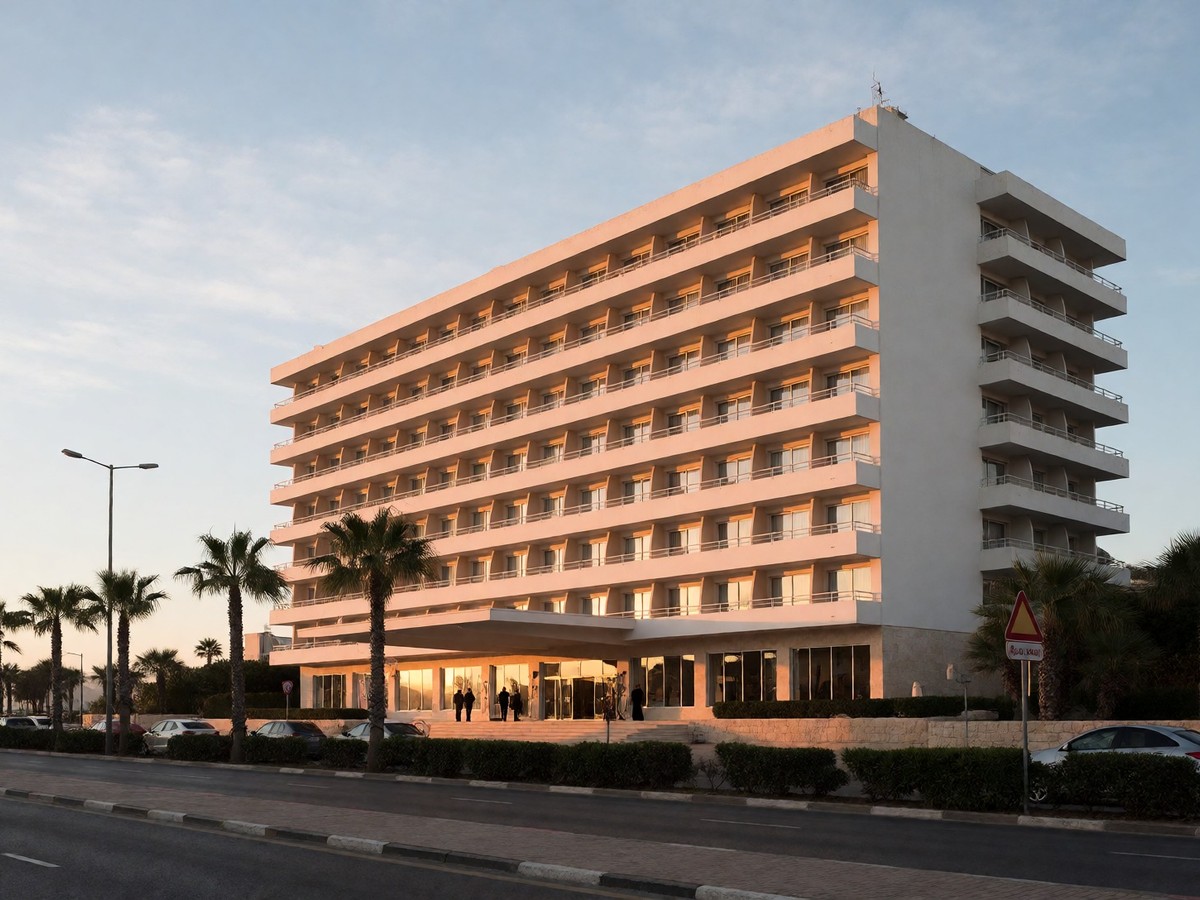
| Meeting Venue | Dan Accadia Hotel, Herzliya |
| Netanyahu Bloc Seats | 53 |
| Eisenkot Bloc Seats | 48 |
Eisenkot, the leader of the centrist Yashar party, invited Netanyahu to join him on Saturday night at the Dan Accadia Hotel to conduct negotiations on policy issues. He told reporters he wants to see if Likud is ready for "genuine unity" over the next 24 hours. This offer follows the inconclusive October 27 elections, where neither the Netanyahu bloc nor the Eisenkot bloc secured a majority in the 120-seat parliament. Netanyahu and his traditional alliance of far-right and ultra-Orthodox parties won 53 seats, which falls short of the 60 needed for a majority in the 120-seat parliament, while Eisenkot and his presumed partners won 48 seats. Eisenkot received a request from President Isaac Herzog to form a government, and he pledged to announce his coalition by the December 6 deadline without using a 14-day extension. Eisenkot also accused Netanyahu of stalling coalition talks in an attempt to bring about new elections.
Political resistance and coalition hurdles
Yair Golan, the leader of the Democrats group, rejected the proposal, calling it "enough tricks and deceitful tactics" and stating that Netanyahu has lost. Yousef Jabareen, leader of the Joint List, said the democratic majority decided that the blood-stained, neglectful government must go and accused Netanyahu of attempting to thwart a change of government. Al Jazeera reporter Nour Odeh reported from Bethlehem that many see the call for talks as a way for Eisenkot to call Netanyahu’s bluff to see if he is willing to talk substance or just buy time.
Eisenkot, who received a mandate from President Isaac Herzog to form a government, must manage the interests of ultra-Orthodox parties while seeking to navigate the reluctance of potential partners regarding Arab-Israeli political groups. Mansour Abbas, chairman of the Raam party, recently labeled Hamas a terrorist organization in an interview with the broadcaster Kan. This designation fulfills a requirement Eisenkot previously set for all coalition partners. Such a move potentially clears a path for Raam to join a coalition, as Eisenkot has struggled to assemble a ruling majority.