Polls on Monday predict a tight race with the conservative People’s Party (PP) at 32% and the Socialists led by Pedro Sanchez at 31%. The right-wing populist Vox party sits in third place with approximately 17%. A combined vote for the PP and Vox would grant them an absolute majority, provided the two parties decide to govern together.
Sanchez is one of the few social democratic prime ministers left in the European Union, and Spain is the largest member state still led by one. Sanchez, who has served for more than eight years, called this snap election at the beginning of October after parliament rejected two emergency decrees intended to tackle the housing crisis. Protesters walked the streets nationwide this year because of soaring housing costs. Many Spaniards cannot leave their parents’ house because of high rental prices. While Sanchez claims his administration boosted the Spanish economy when European Union partners struggled, many voters feel they cannot enjoy the fruits of that growth. Sanchez noted that his government increased the minimum wage and lifted pensions in line with inflation. His government saw the economy grow by 2.6% last year, nearly double the eurozone average. The government expects GDP to grow by 2.6% this year and 2.2% in 2027.
Policy differences in migration and defense
The election presents a choice between Sanchez’s social democratic approach and the tighter restrictions proposed by the right. The PP and Vox could potentially form a coalition to end eight years of leftist leadership.
| Metric | Sanchez Government | PP and Vox Position |
|---|---|---|
| Defense spending (2024) | 1.24% of GDP | Favor higher investment |
| Defense spending (2025) | 2% of GDP | Favor higher investment |
| NATO target (2035) | Rejects 5% target | Support higher spending |
| Expected GDP growth (2026) | 2.6% | Not specified |
| Expected GDP growth (2027) | 2.2% | Not specified |
Sanchez defended immigration, arguing that migrant workers help fill labor shortages and support an aging population. His government opened a program to grant legal status to eligible migrants that received over 1 million applications. The PP campaigns for tighter immigration controls while keeping routes open for workers in sectors facing shortages, whereas Vox wants sharper cuts to immigration, more deportations, and an end to regularization for new arrivals. Vox also wants Spanish citizens to get priority for subsidized housing and other social benefits. Santiago Abascal, leader of Vox, told supporters in Valencia to vote with courage rather than out of fear, describing the current government as a criminal mafia led by a ruthless boss and a liar. Camino Mortera-Martinez, an associate fellow at the Centre for European Reform, told DW that this anti-migration tendency comes from voters, noting that a PP-Vox government would join the general European trend toward anti-immigration policy, similar to discussions in Austria, Denmark, Germany, Greece, and the Netherlands regarding asylum seeker hubs in Rwanda.
International implications and campaign rhetoric
Javier Carbonell, a policy analyst at the European Policy Centre in Brussels, told DW that a change in Madrid would cost Europe’s center left one of its most influential voices, and that "this voice might now be silenced." Sanchez defended Palestinian statehood and challenged US President Donald Trump, positions that may shift under a new government. Spain formally recognized a Palestinian state in May 2024. Sanchez also pushed to suspend the EU agreement with Israel in April to protect human rights. He accused European leaders of applying double standards by rallying behind Ukraine while failing to defend international law in the Middle East. Regarding defense, Sanchez pushed back against the NATO annual target of 5% of GDP by 2035, arguing that Spain could meet its commitments by spending around 2.1% of GDP. Both the PP and Vox favor higher defense investment, though they leave the exact figure open in their election programs.
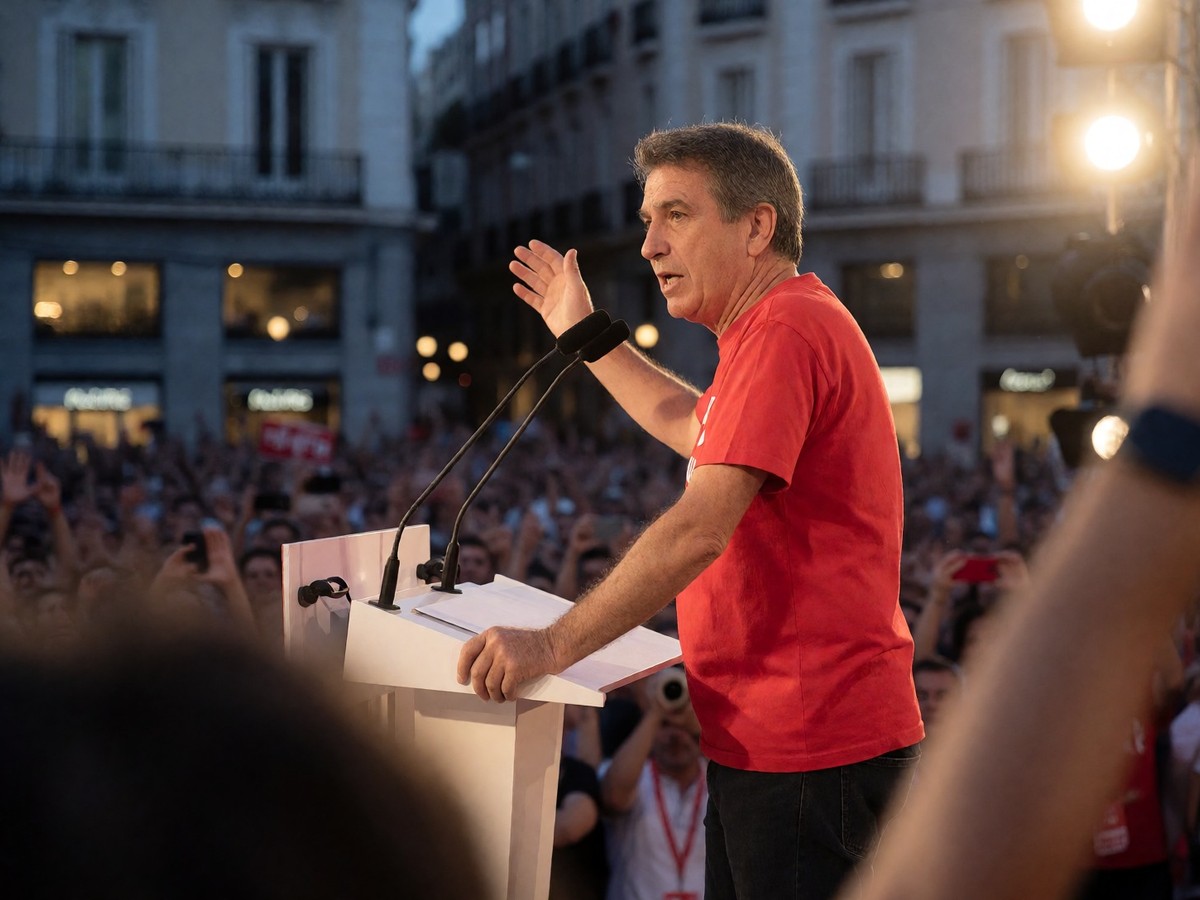
Alberto Nunez Feijao, leader of the PP, dismissed the campaign of Sanchez as a campaign of fear. Feijao, who built his career running central public bodies and the northwestern Galicia region, told supporters in Seville that governing requires management rather than fear. Feijao also expressed a desire to maintain good relations with US President Donald Trump. Sanchez campaigned in Madrid wearing a red T-shirt that said "the power of the people" and spoke about the need for a progressive majority. Oscar-winning Spanish film director Pedro Almodovar attended his rally in Madrid. His minority government also faced pressure over the summer migration crisis in Ceuta and accusations of corruption against his party and his wife, which both he and his wife have denied. If Sanchez loses, a defeat could reignite a debate across the European center left about how to win back voters and stay politically relevant.