The Verdict
Judges at the International Court of Justice ruled on Thursday that Myanmar committed genocide against the Rohingya Muslim minority. This decision marks the first time in history that an international court has found an entire country guilty of such a crime. Since the 1948 Genocide Convention was adopted after the Nazi Holocaust, dozens of individuals have been found guilty of genocide following conflicts in Rwanda and the former Yugoslavia. However, no state has ever been the defendant in such a case until now. The legal process, which Gambia initiated in November 2019, lasted seven years. In August and September 2017, military operations in Rakhine state killed approximately 10,000 Rohingya and forced more than 700,000 people to flee into neighboring Bangladesh. Experts described these military operations as being marked by exceptional cruelty. BBC correspondent Jonathan Hed reported seeing the intentional burning of Rohingya villages and the suffering of hundreds of thousands of people during the exodus. Human rights organizations and a UN fact-finding mission documented killings, torture, and mass rapes committed by Myanmar soldiers.
The Case against the State
The Gambia brought this case to the International Court of Justice because Myanmar is not a member of the International Criminal Court, which meant the plaintiffs could not use that body to hold individual officials accountable for the atrocities in Rakhine state. Gambia filed the suit in November 2019 with support from the Organisation of Islamic Cooperation. Gambia argued that the obligations of the 1948 Genocide Convention apply to all participating states, meaning any signatory has an interest in its enforcement. Myanmar contested this logic, but the judges ruled that Gambia possesses the right to file the suit.
Lawyer Arsalan Suleiman, who leads the legal team representing Gambia, said the ruling will "breathe new life into the 1948 Genocide Convention and into the very principle of state responsibility under international law." Suleiman argued that the court must consider a long history of discrimination. He pointed to the discriminatory 1982 citizenship law. This legislation restricted Rohingya access to education, healthcare, employment, and freedom of movement. He stated that such policy was evidence of the intent to commit genocide.
The court follows a high evidentiary bar for proving genocide. To find a state guilty, judges usually require evidence that the actions were driven by a specific intent to destroy a group. When Bosnia and Herzegovina sued Serbia in 1993, the court took 14 years to reach a decision. While the court found that specific crimes like the 1995 Srebrenica massacre constituted genocide, it found insufficient evidence that the Serbian state intended to commit genocide. Myanmar authorities denied all genocide claims. They asserted that the military only conducted "clearing operations" to respond to terrorist actions by Rohingya militants. A 2018 UN report stated that the army’s actions were "extremely disproportionate to the actual security threats," and its authors called for investigations into the military leadership.
Reparations and the current crisis
Myanmar’s military leader, General Min Aung Hlaing, said the country will not comply with the court’s demands because he considers them "unacceptable." The court issued several specific orders following the verdict:
| Court Order | Required Action |
|---|---|
| Reparations | Myanmar must pay compensation to the victims |
| Aggression | Myanmar must stop ongoing violence against Rohingya |
| Investigation | Myanmar must investigate all suspected perpetrators |
The verdict hits Min Aung Hlaing, who oversaw the 2017 operations and currently seeks to improve his international reputation. Since the 2021 military coup, a legal team appointed by the military has defended Myanmar, following the arrest of Aung San Suu Kyi. While Aung San Suu Kyi once led the country’s defense at the Hague, her refusal to condemn the military led to widespread disappointment among her supporters. The verdict is final and does not allow for an appeal, though the court lacks its own mechanisms to enforce the decision. Success for the Gambia now depends on the position of the UN Security Council and international pressure.
The Rohingya diaspora views the verdict as validation. Mohammed Naukim, a Rohingya representative living in Canada who fled the city of Buthidaun in 2017, told the BBC that the decision provides an "official recognition of our suffering." He stated that the process offers a way to gain recognition after years of denial.
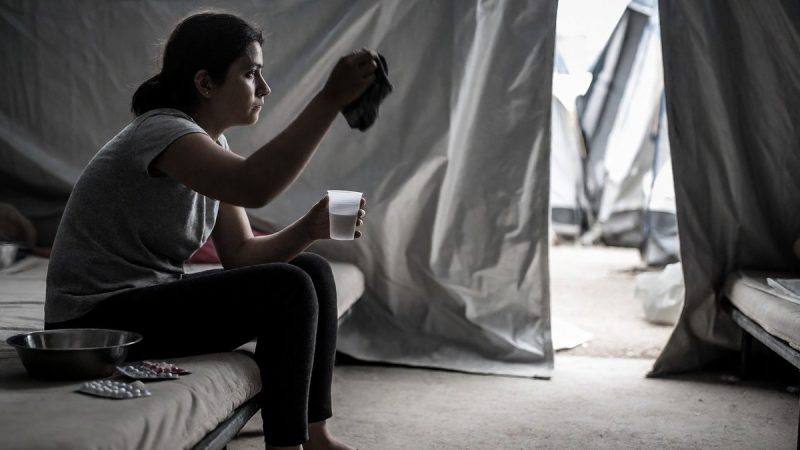
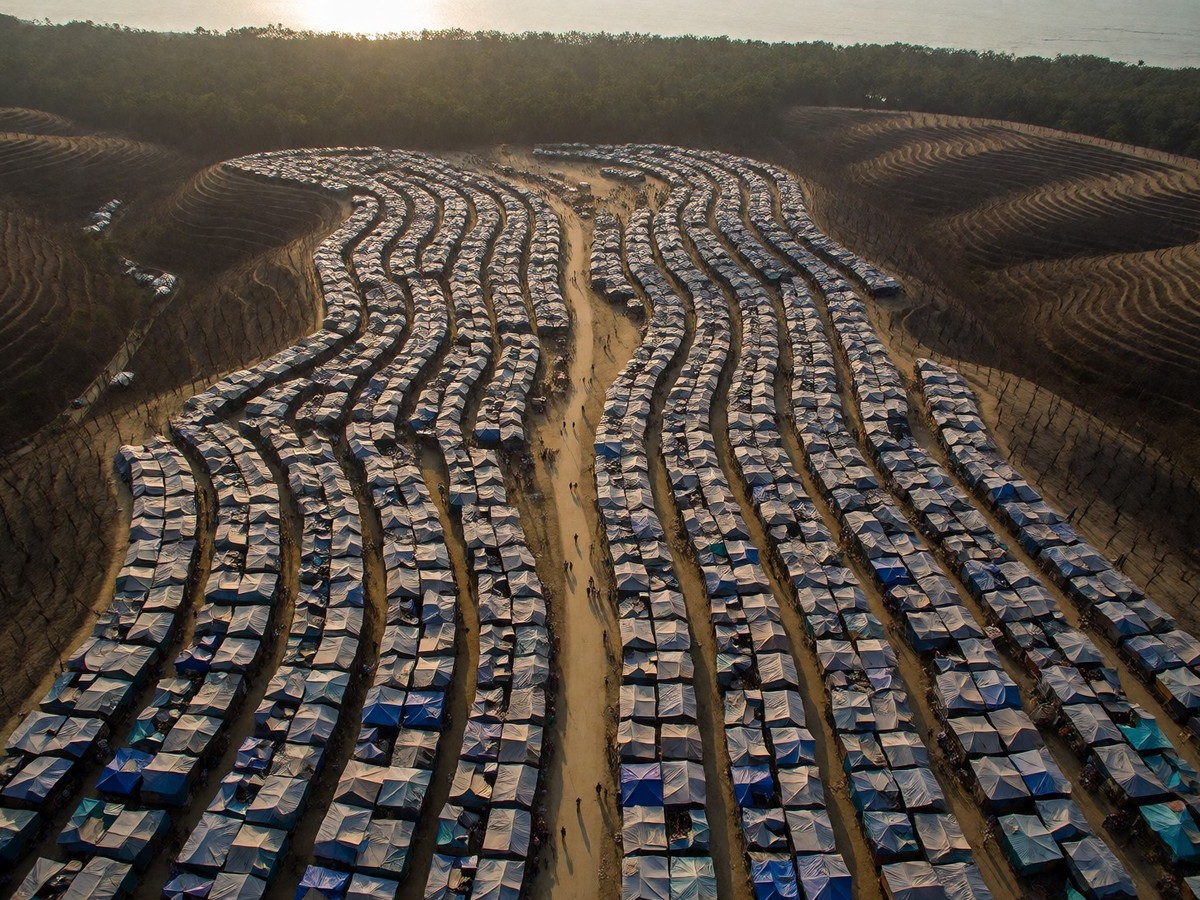
Physical return to Rakhine state remains unlikely. Over one million Rohingya live in refugee camps in Bangladesh where they cannot work and international funding is decreasing. In Rakhine, the Myanmar army fights the Arakan Army, which currently controls most of the territory. The Arakan Army receives support from the local population, which remains hostile to the idea of Rohingya returning. Many Rohingya villages remain completely destroyed.