Planned blast in Iowa
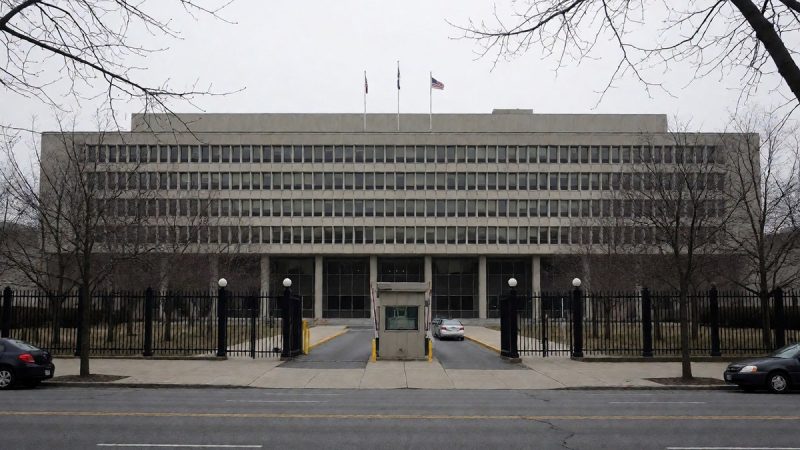
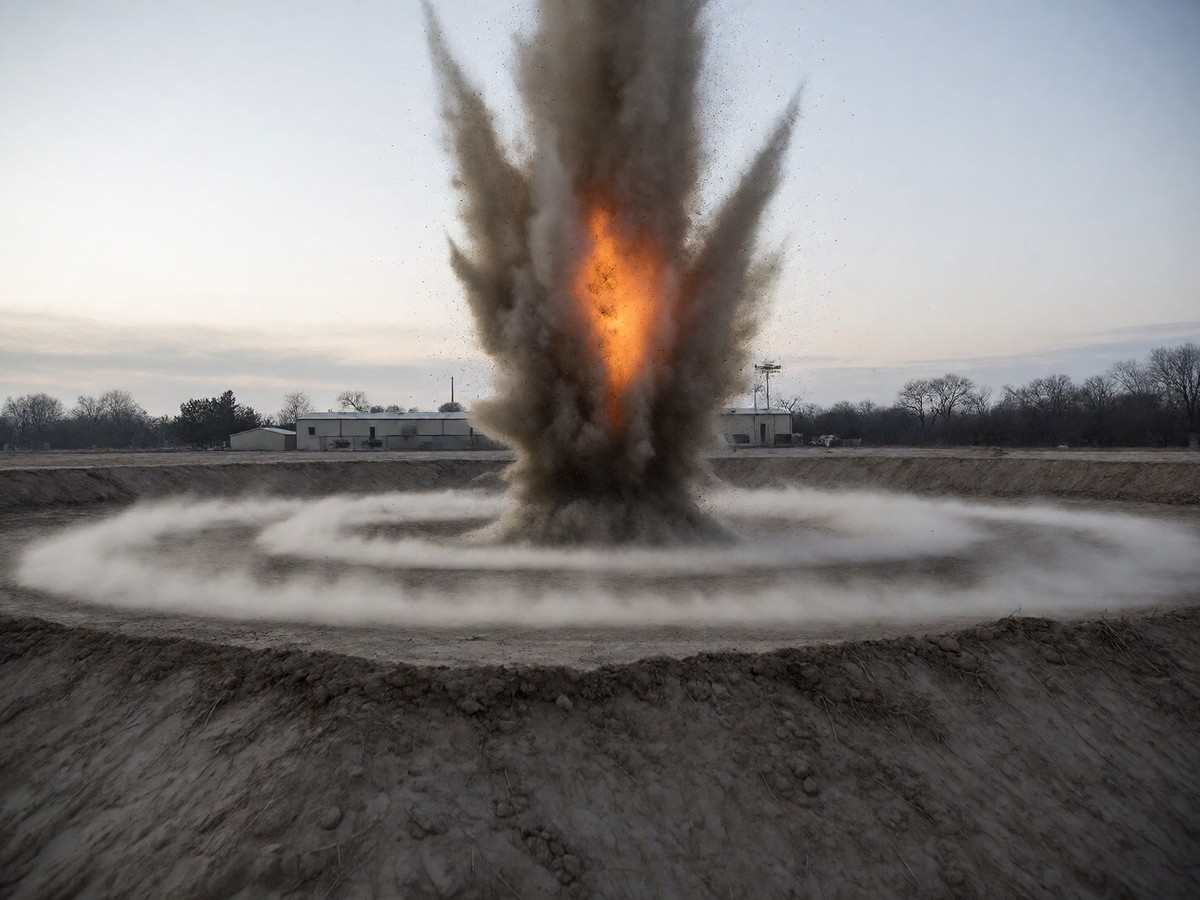
The US Army will carry out two consecutive, rapid controlled detonations of lead azide at 9am on Wednesday at the Iowa Army Ammunition Plant near Middletown. This operation destroys 68 barrels containing almost 4,500kg of deteriorating lead azide. Major General Eric Shirley, the army official leading the disposal, stated that inaction is no longer an option and that it would be irresponsible not to take the selected course of action. The Army argues the compound becomes increasingly unstable as temperatures fall, making an unplanned explosion more likely. The facility, a 7,700-hectare installation near Middletown and Des Moines County, sits about 16 kilometres west of the Mississippi River. This lead azide has been used in military munitions since World War I.
| Specification | Detail |
|---|---|
| Material | 68 barrels of lead azide |
| Total mass | Almost 4,500kg |
| Location | Iowa Army Ammunition Plant |
| Time | Wednesday, 9:00 AM |
| Evacuation Zone | 5-mile optional radius |
| Shelter-in-place | 20-mile advisory |
| Potential plume reach | 100 to 160 kilometres |
The military built earthworks around the site and dug cisterns to collect particles. Officials advised residents to turn off fans that pull in outside air and to switch HVAC systems to a setting that blocks outdoor air intake.
Local residents and political tension
The decision to proceed follows an appeals court lifting an administrative stay that had paused the blast. President Donald Trump ordered the military to hold off until the court and Iowa’s Democratic Governor-elect Rob Sand agreed to the plan, but the court cleared the way for the US Army on Monday. While Republican Governor Kim Reynolds said the military is taking the right step because the danger is immediate, local residents express fear. Fort Madison city manager Laura Leigois said her city was blindsided when they received notice on 17 November regarding the originally planned detonation.
Margo Sprenger, a 71-year-old farmer in Donnelson, says the projected lead plume in her direct path will change her life forever and worries her family’s land may no longer produce food they can trust. Her neighbor, Beth Howard, plans to go to Des Moines to spend Thanksgiving while her partner, Doug, remains on their farm. In Middletown, Mayor Rodney Johnson said he does not believe the 360 residents are as concerned as those living farther out, and he noted that he survived lead poisoning as a child. Trisha Klaus, a 49-year-old resident, wants the blast to happen so it is controlled rather than an unplanned explosion. She and her 99-year-old grandfather, Keith McNeil, will likely hunker down at the Army Reserve Center with their pets. Andrew Wiese, a pastor at Harmony Bible Church, says there is fear in the community and that many people want it over and done with.
Jeff Kurtz, a 72-year-old retired locomotive engineer and former state representative, worked with a team of scientists to support a legal challenge because he believes other methods exist to remove the explosives without risking an apocalyptic event. He remains frantic to stop the detonation.
Environmental and health risks
The lead dust plume could travel up to 160 kilometres, potentially landing on homes, crops, and livestock. Professor Bruce Lanphear of Simon Fraser University notes that a post-detonation reading below EPA screening thresholds does not prove no contamination occurred. He argues that cleanup should aim to restore lead concentrations to pre-detonation levels rather than merely meeting government standards. The EPA requires professional cleanup if as little as five micrograms of lead are present per square foot on floors, or 40 micrograms on windowsills.
For landowners in the fallout area, the US Army issued a right-of-entry form on 20 November. A landowner who signs this form grants the government an irrevocable right to use their property as a work area for up to 36 months. Federal crews can bring in equipment, erect temporary structures, collect environmental samples, and install groundwater-monitoring wells.
Patrick O’Shaughnessy, a public health professor at the University of Iowa, warns that hosing off outdoor surfaces might just transfer lead particles into the soil. This could lead to children ingesting the metal through hand-to-mouth contact. He says you cannot simply look at the air and decide if it is clear. The danger can remain even when the air looks pristine. I find the decision to move a toxic plume across multiple counties to be a failure in protecting rural landowners.