Negotiators clash over spending priorities
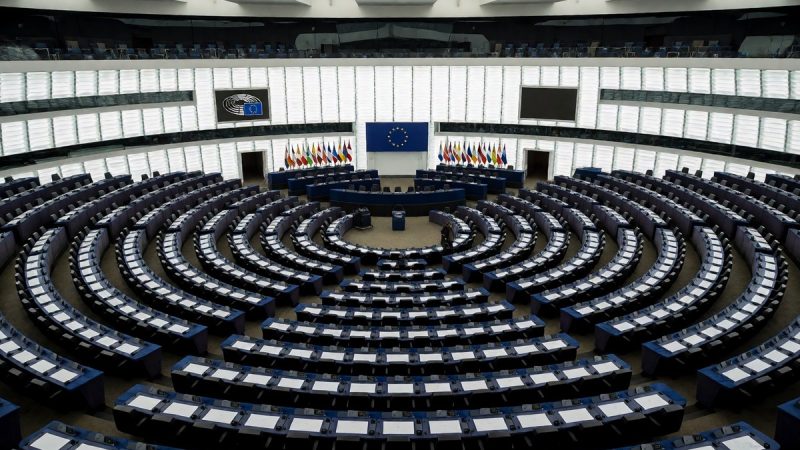
Every seven years, European leaders gather in Brussels for the most consequential negotiation cycle in the European Union. Brussels leaders cut the summit short because they cannot agree on the seven-year budget cycle. I see no path to a breakthrough when the 27 member states defend red lines instead of crossing them. Ursula von der Leyen proposed an ambitious budget over the summer targeting spending on defence, innovation, research, digital technologies, and competitiveness. This proposal forces pressure on traditional pillars such as agricultural subsidies and parts of the regional development programmes. Friedrich Merz, the German Chancellor, arrived in Brussels demanding a significant reduction in spending. He called the negotiation "the future of the European Union." The opening bid was ambitious. The original proposal has already undergone numerous adjustments as negotiators attempted to accommodate competing demands. Every member state arrived with a shopping list of demands, with some governments pushing for new priorities and others seeking exemptions to protect their national interests. Negotiators perform a painstaking exercise in give-and-take.
Costa must broker a difficult deal
Antonio Costa, the European Council President, must shuttle between bilateral meetings and small groups behind closed doors to construct a package that gives every member state something they can take home and present as a victory. Costa acts as the chief broker, though he was not the top negotiator for the peace talks regarding the war in Russia against Ukraine. Diplomats expressed confidence in his fairness and negotiating skills before the summit began, viewing him as someone capable of building trust among leaders with differing priorities. Delivering an agreement would be a major test of his authority and reputation. He must now manage an extraordinarily complex puzzle where governments push back against cuts, demand new priorities, and seek exemptions to protect national interests. Pressure on member states is not intense enough to force the final concessions required for a deal. Leaders will probably take stock of the latest negotiating proposals and return home to assess the various negotiation options in detail. A new round of negotiations will occur at the next summit in December.