The struggle for housing and leadership
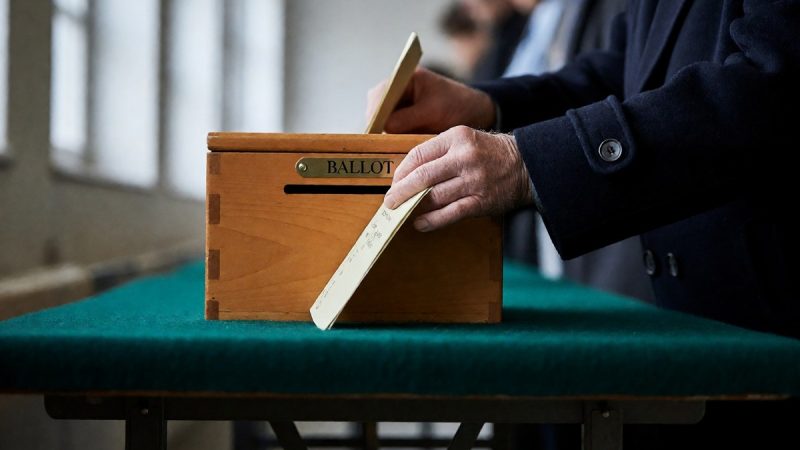
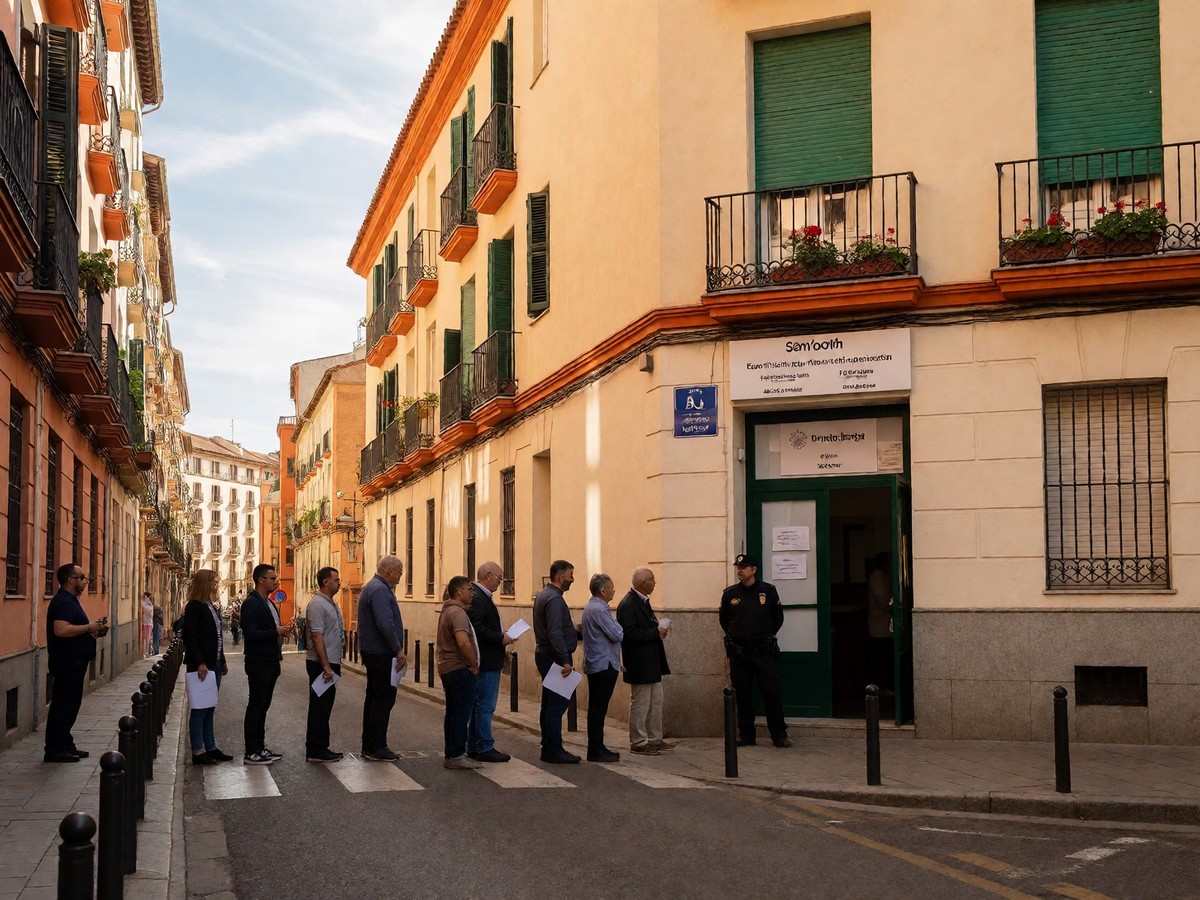
Spanish voters head to polling stations today to decide if the far right enters the national government for the first time since the end of the dictatorship nearly five decades ago. Polling stations open at 9am and close at 8pm, with the first results arriving roughly an hour after the polls shut. A party needs 176 of the 350 parliamentary seats to secure a majority. Pedro Sanchez, the 54-year-old Socialist leader who has led fragile minority governments since 2018, called this snap election after parliament rejected his housing measures. Spain currently lacks 750,000 homes, and recent rent increases and evictions triggered a general strike and large protests this month. I see the housing crisis as the most immediate threat to Sanchez’s survival. Both Sanchez and Alberto Nunez Feijoo, the leader of the conservative People’s Party, promised to help first-time homebuyers and renters if elected. Economic growth and a busy labor market drove demand for housing in metropolitan areas and tourist regions, but new construction remains stuck near levels from previous decades while wages failed to keep pace. Voters listed corruption as a concern, but issues like affordability and immigration factor higher, according to the CIS survey.
Immigration, economy, and corruption
I find the political stalemate over immigration and corruption to be the most defining element of this race. Most polls suggest a victory for the People’s Party, which would need the far-right Vox party to govern. While Sanchez claims his government delivered a fast-growing economy with low unemployment, many voters argue that rising prices have canceled out those gains. Sanchez faced scrutiny over corruption investigations involving his wife and brother, though his wife denies any wrongdoing. These legal cases implicated a former minister and top officials, and Sanchez linked them to a smear campaign while apologizing for proven corruption cases involving his former cohorts. Regarding immigration, Sanchez defended his government after it granted amnesty to about one million undocumented people this year. This stands in stark contrast to Santiago Abascal, the leader of Vox, who rejects the label "far right" and says his party’s positions represent "common sense". Abascal campaigned in the Canary Islands following record numbers of arrivals there this month. A coalition between the People’s Party and Vox would likely bring the far right into power, which Sanchez describes as "a regression" that would roll back the clock 40 or 50 years.
| Election Detail | Specification |
|---|---|
| Total Parliamentary Seats | 350 |
| Seats required for majority | 176 |
| Polling station opening time | 9am |
| Polling station closing time | 8pm |
Sanchez defended his immigration-friendly policies by saying the country’s economic boom came from those who legally entered the workforce. This differs from the approach of Feijoo and Abascal, who advocate for tougher immigration policies and stronger border management. Abascal specifically wants to expel migrants and prioritize Spanish citizens. Sanchez is almost alone among European leaders in defending migration as good for the economy.
Infrastructure and environmental policy
Safety and energy policies also split the candidates. Two fatal train accidents on the high-speed rail network this year forced the resignation of Sanchez’s transport minister. The two fatal accidents occurred on Spain’s extensive high-speed rail network, which has been a source of pride for Spaniards. Feijoo promised to "return quality to public services" in response to these infrastructure failures. I find Sanchez’s record of managing the country’s infrastructure and energy sectors to be deeply flawed. Sanchez stressed to voters that a right-wing government would cut social spending, which he says is necessary to maintain public services and the rail network. Spain is highly exposed to natural disasters like forest fires, drought, and flash floods, but also leads in renewable energy. The government generates more than half its electricity from non-carbon sources like solar and wind. Sanchez pledged to generate all energy from renewable sources by 2050 and shut down remaining nuclear reactors by 2035. Feijoo intends to "realistically reformulate" these commitments by keeping nuclear power in the mix alongside renewables and energy storage. Vox maintains a skeptical stance on climate issues. I find the election results will dictate whether Spain continues its current path or shifts toward the mass deportation ideas favored by Abascal.