Sunday vote on export changes
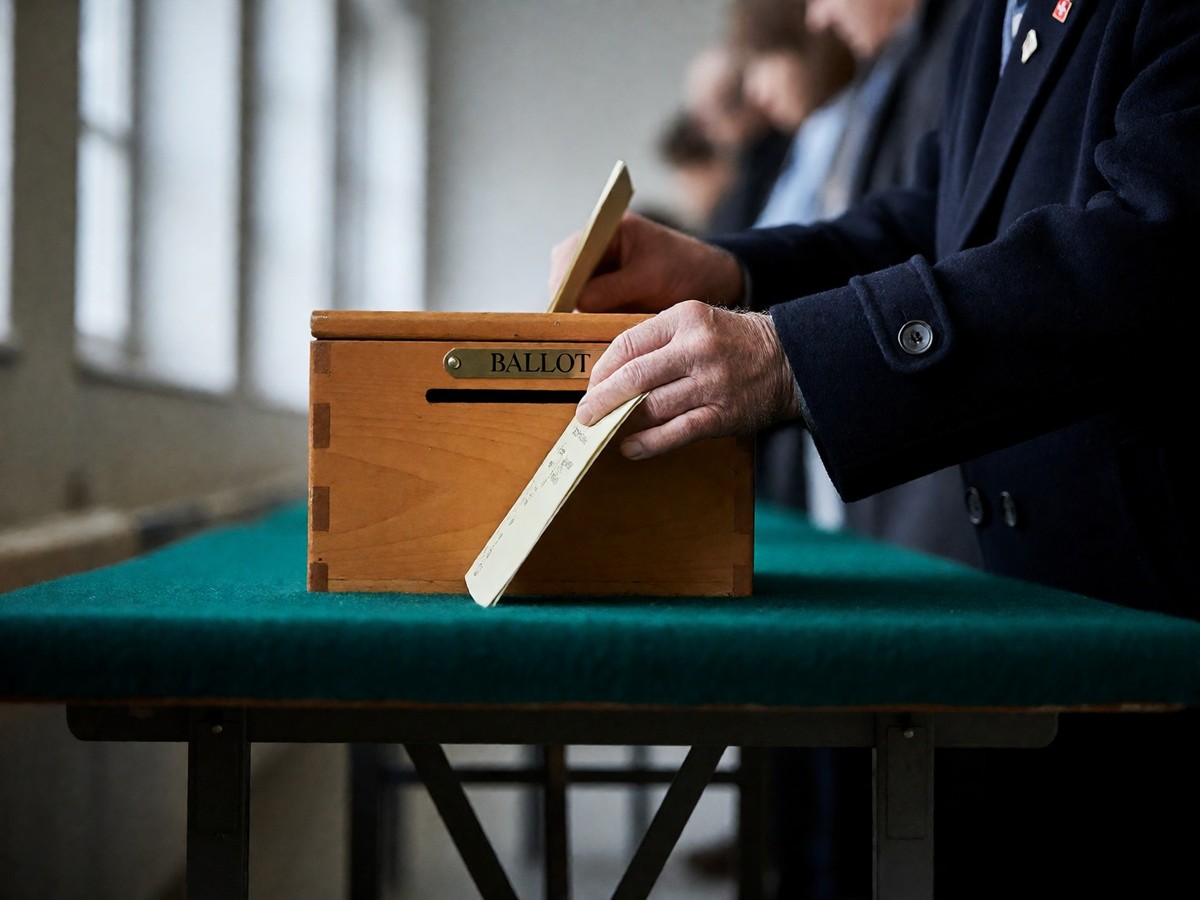
Swiss voters decide Sunday whether to ease restrictions on weapons exports to address changing security needs in Europe. Polling stations open at 10am and close at noon, though most citizens voted by post. The legislation would allow Switzerland to supply military equipment to 36 designated partner countries involved in armed conflicts, provided the exports comply with its neutrality obligations and foreign and security policy interests. These countries include members of the European Union, the United Kingdom, the United States, Australia, and Japan. The reform also means purchasing countries no longer automatically need Swiss permission before transferring weapons to third countries, although existing commitments remain binding. All exports still require government approval, according to the State Secretariat for Economic Affairs. The government argues that Russia’s 2022 invasion of Ukraine changed the European security environment, necessitating reforms that allow Swiss defense manufacturers to remain competitive in international military supply chains. According to the AFP news agency, opinion polls published on November 18 indicated a narrow lead for supporters of the reforms.
| Export Metric (2025) | Detail |
|---|---|
| Total value | 948.2 million Swiss francs |
| Growth rate | 43% increase |
| Primary recipient | Germany |
Neutrality and economic tension
The proposed amendments clearly address the competitive disadvantages faced by Swiss manufacturers, but they face opposition from left-wing parties. Supporters argue existing restrictions put Swiss defence manufacturers at a disadvantage. Germany excluded Swiss companies from some defence procurement contracts, while Denmark and the Netherlands suspended orders. These economic pressures follow a year where Swiss arms exports rose 43 percent in 2025 to 948.2 million Swiss francs, and Germany was the largest recipient. Left-wing parties and humanitarian organisations secured the referendum, warning that the reforms could undermine the country’s neutrality and increase the risk of Swiss-made weapons being used in conflicts. These opponents argue that relaxing export controls increases the risk of Swiss weapons reaching countries accused of human rights violations. Even with the changes, direct weapons exports to Kyiv remain prohibited under Swiss neutrality laws, and indirect transfers remain subject to restrictions. This vote comes two months after Swiss voters rejected a separate initiative seeking to enshrine a stricter interpretation of neutrality in the constitution, where more than 70 percent voted against it. On Sunday, Swiss voters will also decide on three other proposals covering pension funding, restrictions on fireworks, and changes to the taxation of married couples.