The Hamburg tribunal ruling
The International Tribunal for the Law of the Sea rejected Argentina’s application for provisional measures to halt United Kingdom-authorised oil drilling near the Falkland Islands. This ruling by the Hamburg-based court is a significant setback for Argentina’s efforts to control the maritime area and challenge economic activity in the waters surrounding the disputed territory. Maurice Kamga, the president of the tribunal, stated that a controversy requiring the resolution of a territorial sovereignty question cannot be considered a dispute regarding the interpretation or application of the UN Convention on the Law of the Sea. 18 of the 21 judges on the tribunal supported the decision. Argentina’s President Javier Milei responded by saying "this decision is not the final word" and declared the Falkland Islands are Argentine. The Argentinian government maintains that the tribunal should have applied the Convention to the "exploitation of our resources" by the United Kingdom, as they believe the court should focus on maritime law rather than sovereignty. Buenos Aires also argued the Sea Lion project violates a UN resolution that calls for both sides to desist from unilateral actions during the dispute. Argentina specifically requested that the court order the UK to "ensure that no new drilling for exploitation, and no installation of production infrastructure" takes place in the North Malvinas Basin.
Sea Lion project specifications
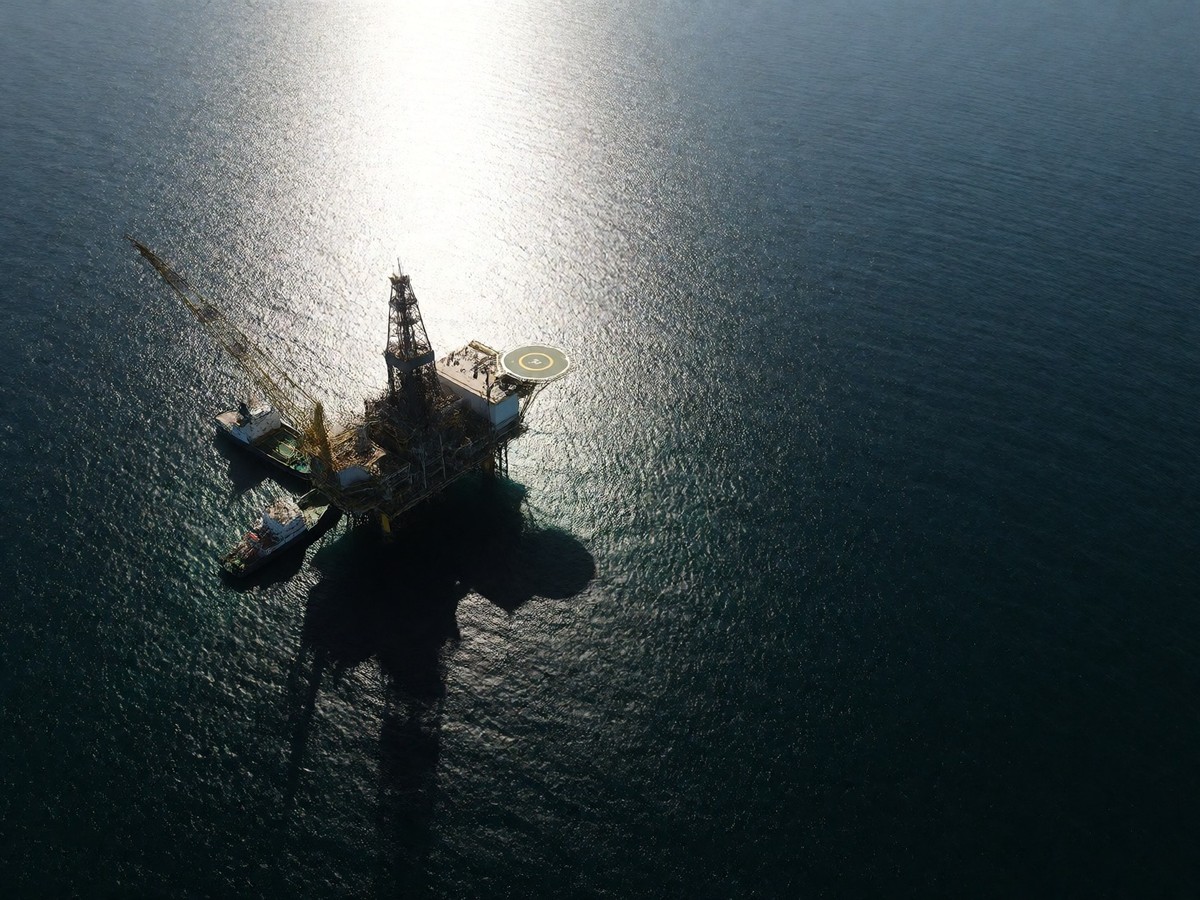
The Sea Lion oil project involves the Rockhopper Exploration company and the Israeli firm Navitas Petroleum, which aims to extract resources from the North Malvinas Basin, roughly 220km from the islands and about 600km from the Patagonian coast, with production expected to begin in 2028.
| Project Specification | Detail |
|---|---|
| Estimated oil reserves | 1.7 billion barrels |
| Distance from Falkland Islands | 220 km (135 miles) |
| Primary companies | Rockhopper Exploration and Navitas Petroleum |
| Navitas Petroleum stake | 65% |
| Planned production start | 2028 |
| Estimated investment | US$2.2 billion |
The project focuses on the North Development Area through the drilling of 11 subsea wells connected to a floating platform. A second phase in that same area will eventually add another 12 wells. The planned development of the Central Development Area includes 20 wells in its first stage and 18 wells in its second stage, totaling over 60 subsea wells. Navitas Petroleum holds a 65% stake in the project, which promoters describe as containing "crude highly commercializable" oil. The Argentinian government claimed that the marine environment of these disputed maritime areas remains protected by international law. Buenos Aires also stated that five individuals would face sanctions for their involvement in the drilling venture. Argentina specifically asked the court to order the UK to "refrain from using the information obtained in the exploration of the natural resources of the disputed maritime areas". The Sea Lion field sits nearly 13,000km from the United Kingdom.
Sovereignty and economic consequences
The United Kingdom celebrated the tribunal’s decision to deny provisional measures. British Foreign Secretary Ed Miliband and legal adviser Ellie Reeves issued a joint statement calling for Argentina to respect the right of the islanders to determine their own future. Reeves told judges in a two-day hearing earlier this month that the order requested by Argentina would prevent the people of the Falkland Islands from developing their natural resources. She noted that such a halt could have "devastating" economic consequences for the local population. The UK government argued that the sovereignty claim falls outside the arbitration process intended to settle maritime disputes under the UN Convention. The tribunal operates under the UN Convention on the Law of the Sea, which established a regime of law and order in the world’s oceans and resources when it came into force in 1994.
Prime Minister Andy Burnham discussed the economic consequences of Argentina’s measures with US President Donald Trump in late October. The dispute stems from the 1982 conflict which lasted 74 days and resulted in the deaths of 255 British military personnel, 649 Argentine military personnel, and three islanders. In 2013, 99.8% of the population voted to remain a British overseas territory, while only three residents voted against the measure. The Sea Lion field contains 1.7 billion barrels of oil. This could provide revenue for the 3,500 inhabitants for over 30 years. Argentina rejects the 2013 outcome, arguing the principle of self-determination does not apply to a population it considers implanted by the UK. The Argentinian government also noted that five individuals would face sanctions for their involvement in the drilling venture, although the official statement did not name the specific individuals.