Barrow defies previous pledges
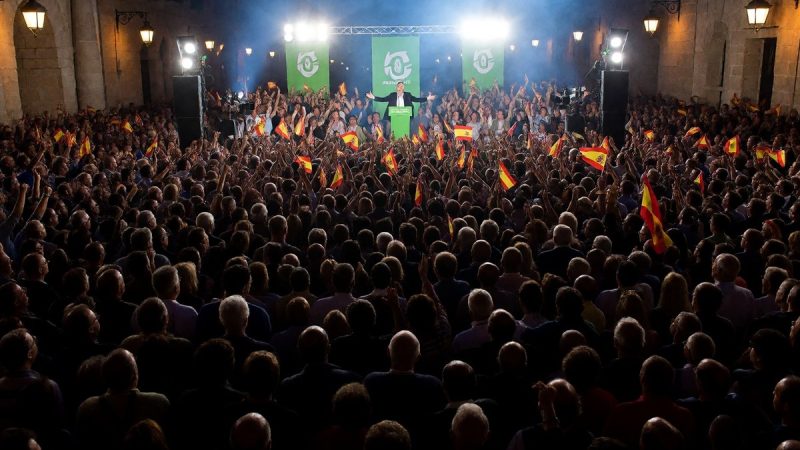
Gambians will head to the polls on December 5 in a presidential election that follows the 2017 end of Yahya Jammeh’s 22-year rule. President Adama Barrow, who replaced Yahya Jammeh in 2017, faces Ousainou Darboe of the United Democratic Party, former Kanifing Municipality mayor Talib Ahmed Bensouda, independent lawmaker Almameh Gibba, and Isatou Touray, the only woman in the presidential race. The field also contains three other candidates. The country still operates under its 1997 Constitution because the National Assembly rejected a replacement that included presidential term limits in July 2025. I find Barrow’s claim that he supports term limits while running for a third term to be a transparent attempt to bypass the democratic transition that began in 2016. Barrow told reporters after submitting his nomination papers to the Independent Electoral Commission that the Gambian people "decide the fate of a president." Lamin Manneh, the United Democratic Party’s administrative secretary, says the party’s immediate priority is to ensure the commission guarantees a "free election and a fair election." Political analyst Malang Faye says the incumbent is already ahead, though he notes that a large crowd at a political rally does not necessarily mean the same level of support at the ballot box.
Economic struggles and voter numbers
Voters like Alhagie Sama want a country where young people do not have to risk their lives crossing the Mediterranean Sea in search of opportunities. Sama says young people need opportunities at home rather than having to risk dangerous journeys abroad. While the World Bank projects 5.3% economic growth in 2026, extreme poverty remains at 21%. Data from a 2025 Labour Force Survey shows youth unemployment at 11.5%, but 41.3% of young people are not in employment, education, or training. Binta Bojang says the next president must prioritize youth employment because unemployment manifests differently in the lives of ordinary Gambians. Many voters also demand better public services and more affordable living costs.
| Election Metric | Value |
|---|---|
| Registered Voters | 1,146,474 |
| Polling Centers | 730 |
| Polling Stations | 1,773 |
| Constituencies | 53 |
The Independent Electoral Commission has trained officials in counting and verification to ensure a peaceful election. The European Union deployed an election observation mission to the country, and United Nations Deputy Special Representative Barrie Freeman told candidates that history will judge what they do tomorrow rather than what they sign today. This November 16 peace pact requires candidates to respect the independence of the commission and seek redress through lawful channels. The December 5 election will test whether the democratic gains made since 2016 translate into lasting reforms and improved living conditions.