Local contests and the Taipei race
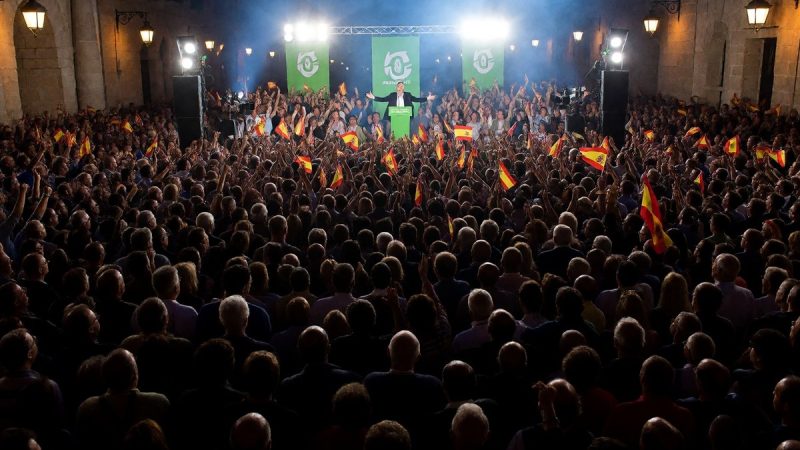
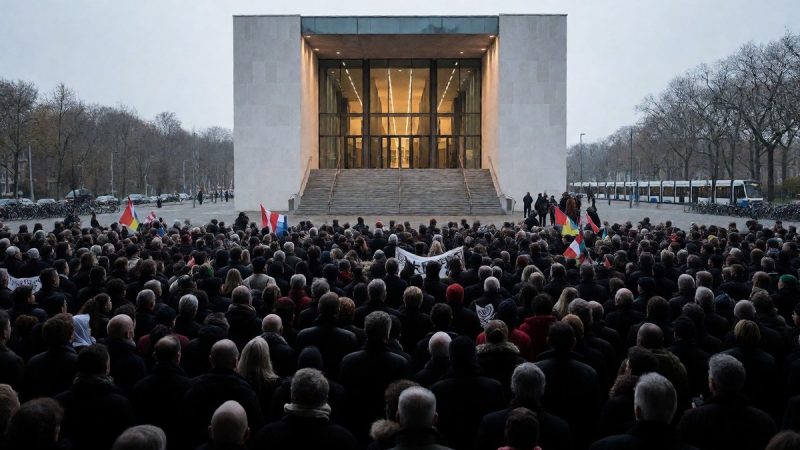
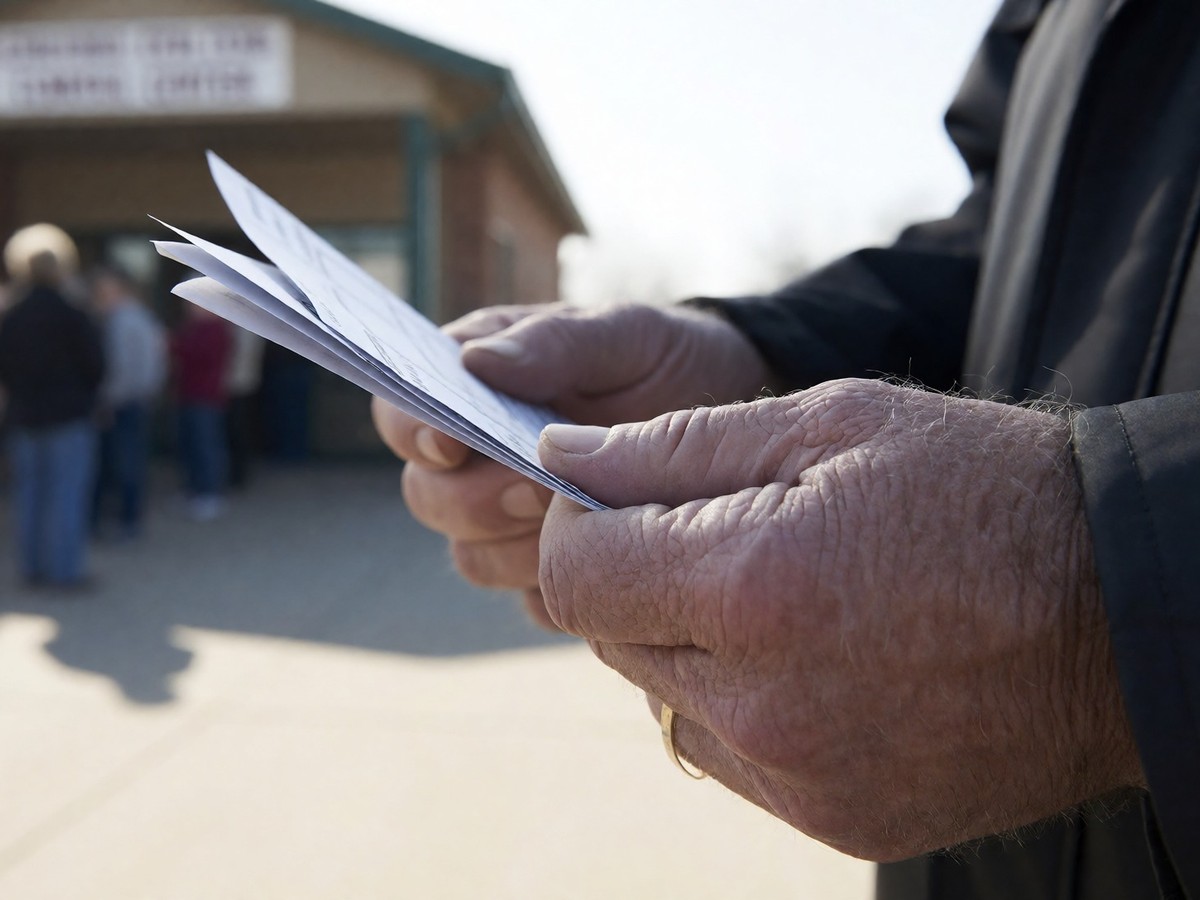
Voters in Taiwan’s 22 cities and counties cast ballots on Saturday for 11,000 local government positions in "nine-in-one" elections. Polls opened at 8am and close at 4pm, and results arrive by early evening. Voters cast ballots at schools, temples, and community centres to choose mayors, council members, and other local leaders. In Taipei, KMT incumbent Mayor Chiang Wan-an faces a challenge from DPP academic and lawmaker Puma Shen. Chiang, who won the previous election by a double-digit margin and remains a potential future presidential candidate, told supporters the race is "very close." Shen, an expert on China’s information warfare, entered the race as an underdog but managed to ride a political wave that drew huge crowds to his rallies. Shen cancelled his final campaign event to hold an online session that reached over 500,000 YouTube viewers. Shen said Chinese police have never contacted him and that the Taipei election would be a victory for democracy in the face of pressure from Beijing.
Military pressure and political implications
Beijing monitors these elections closely despite the absence of China policy as a primary campaign issue. China denounced Puma Shen and stated that Chinese police want him for alleged "separatist activities." Political science professor Austin Wang from the University of Nevada said a victory for Shen in the KMT heartland would look "quite shameful" in Beijing. This tension follows reports from Taiwan’s Defence Ministry that 30 Chinese military aircraft flew around the island on Friday; 26 of those aircraft crossed the median line of the Taiwan Strait during a "joint combat readiness patrol" alongside warships. Taiwan’s Mainland Affairs Council warned that Beijing uses "cognitive warfare" and "transnational repression" to influence the outcome. China’s Defence Ministry stated this week that "reunification" is an unstoppable trend.
The local results could influence the selection of the KMT presidential candidate ahead of the 2028 elections. Local results are an unreliable guide for the next presidential election because campaigns focused on transport, childcare, and the environment. In the previous election, the KMT won 14 of the 22 cities and counties while the DPP won five and other parties or independents won three. The DPP likely supports President Lai Ching-te for reelection. KMT potential candidates include Taichung Mayor Lu Shiow-yen and parliamentary speaker Han Kuo-yu. KMT Chairwoman Cheng Li-wun, who met Chinese President Xi Jinping in April, faces pressure to step down if the party performs poorly. Such a poor performance could impact the selection process for the KMT presidential candidate.
The election includes contests in New Taipei City, Taiwan’s most populous city, and Kaohsiung in the south. The KMT currently holds the mayoralty in New Taipei City, while the DPP holds the office in Kaohsiung. Although local issues like transport and childcare dominate the municipal races, the government in Beijing continues to increase pressure on Taiwan to accept its sovereignty claims and has threatened to use military force to seize the island. China claims Taiwan as part of its territory under its "One China" principle. The KMT traditionally favors closer ties with Beijing, while the DPP rejects China’s sovereignty claims.