Livelihoods collapse as donkey prices rise
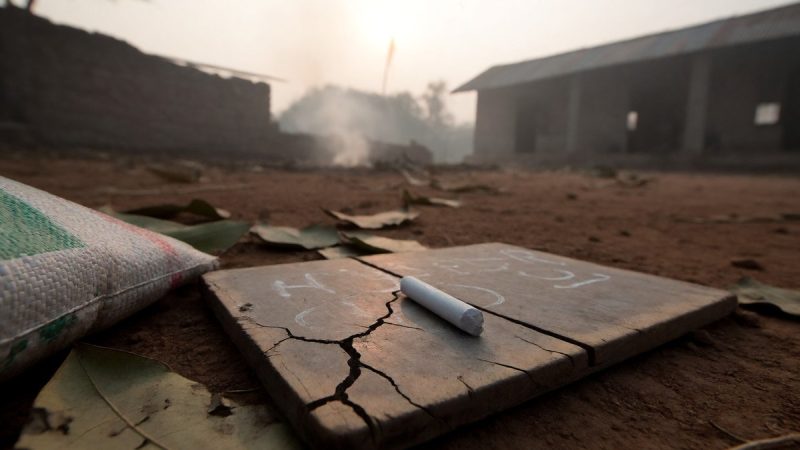
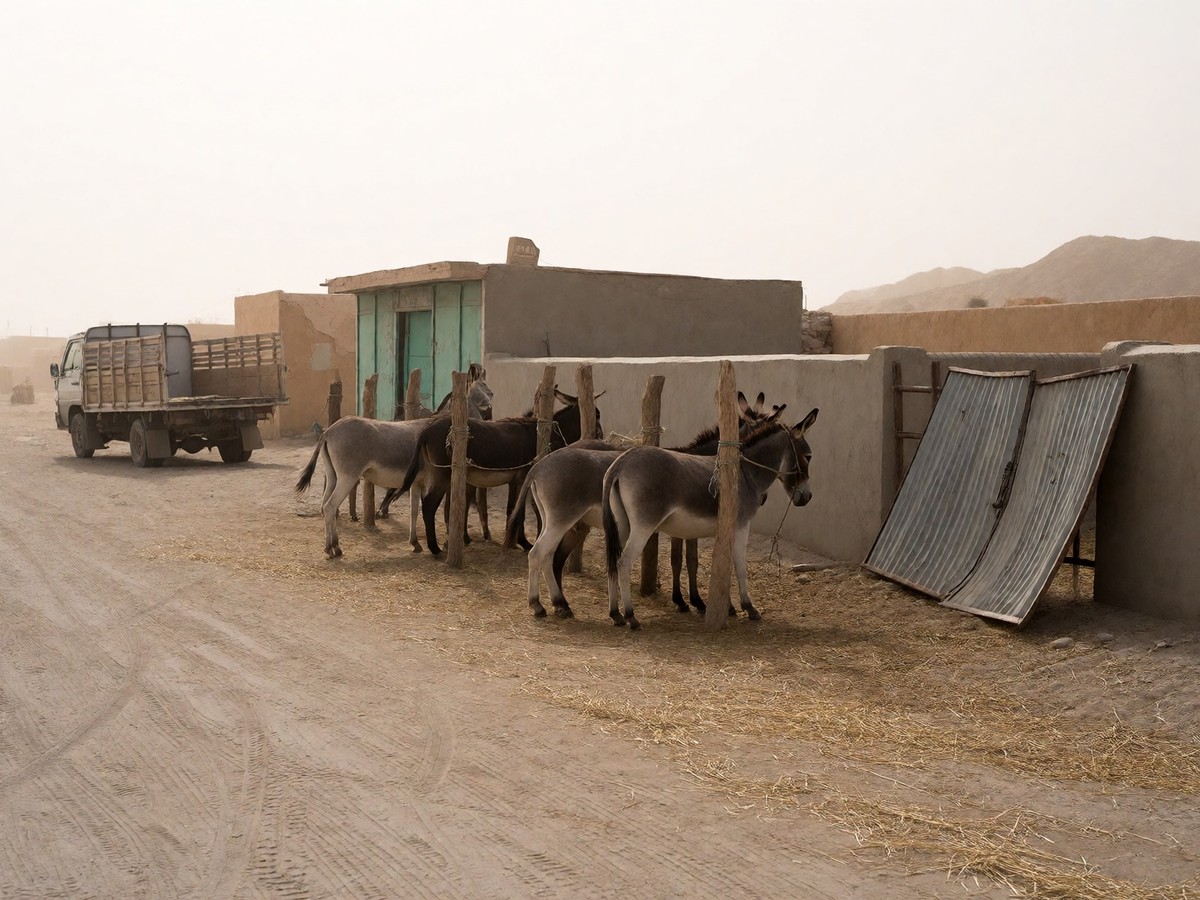
Muhammad Noor in Kulahu, Balochistan, sold his two donkeys in July to pay for his wife’s eye surgery, an act that ended his ability to earn 1,000 rupees ($4) a day hauling wood, sand, or stones. The stronger male donkey earned 75,000 rupees ($270) and the female earned 44,000 rupees ($158). He now earns 500 rupees ($2) on good days or nothing at all through casual labour because a replacement donkey costs 100,000 rupees ($360) or more. His daughter left school and the family reduced food consumption following the sale. The trader told Noor there would always be more donkeys and that prices would fall, but he was wrong.
In Chahsar, on the outskirts of Turbat, Jumma Baloch lost his only working donkey to theft a month ago. He believes thieves take animals to middlemen who supply the export business. Without the animal, Jumma has been forced into irregular daily labour because the rising price of donkeys makes replacement impossible.
Baksh, who works near Turbat’s Shaheed Fida Chowk, earns 30,000 rupees ($108) a month transporting household essentials. He spends 25,000 rupees ($90) on feed and his son’s education, leaving very little for emergencies. His nephew sold five donkeys to traders in Turbat for 5,000-6,000 rupees ($18-21) each. Baksh worries about theft and illness, noting that the loss would jeopardize the income that sustains his household.
Industrial processing in Gwadar
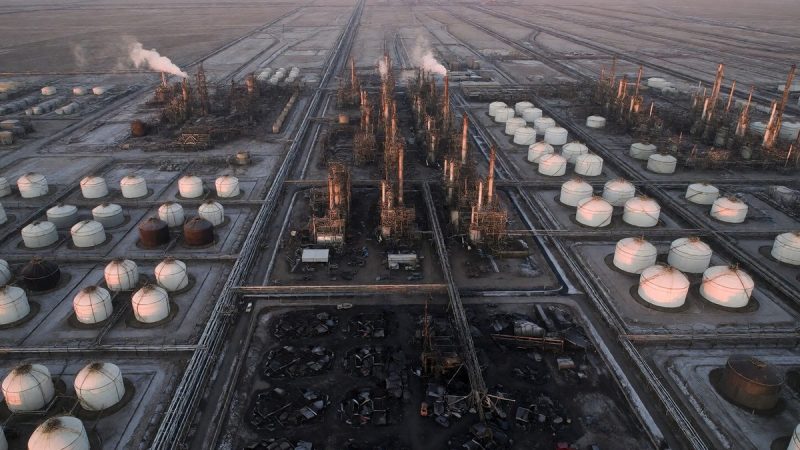
The expansion of the donkey trade to China relies on massive processing facilities in Gwadar. Hangeng Trading Enterprise built a $50m facility in the North Free Zone and shipped 94.57 tonnes of donkey meat and hides in July, followed by 81 tonnes of meat, bones, and hides in October. Shahzad and Shao (Private) Limited secured 4 acres in the North Free Zone in August to build a slaughterhouse with a permitted quota of 150,000 donkeys annually. Traders in the Kech district capitalize on the gap between village prices and urban demand.
| Context | Local Buy Price (Rupees) | Resale/Fetch Price (Rupees) |
|---|---|---|
| Dasht to Turbat | 4,000 - 5,000 | 8,000 - 10,000 |
| Dannuk to Gwadar | 4,000 | 15,000 |
| Village to Turbat (Nephew’s sale) | 5,000 - 6,000 | N/A |
China’s demand for ejiao, a traditional medicine made by boiling donkey hides, drives the international trade. Research in the Journal of Contemporary China in 2024 estimates that the ejiao industry requires between four million and five million donkey hides every year. The African Union adopted a continent-wide moratorium on mass slaughter for hide exports in February 2024 to protect African donkey populations. Pakistan has emerged as a potential supplier.
A Hangeng official said the company procures animals through five or six registered suppliers in Sindh province and two in the capital, Islamabad. Some suppliers from Balochistan are registered in Sindh and may also source animals from the province.
Policy shifts and the 6.2 million population
The 2025-26 Pakistan Economic Survey estimates the national donkey population at 6.2 million. The Economic Coordination Committee approved the export of donkey meat and hides to China in April this year, following a government amendment in October last year that allowed exports from approved Gwader Free Zone slaughterhouses. Syed Naeem Abbas, an animal welfare expert in Lahore, says many animals in the export chain were previously working donkeys rather than animals bred specifically for slaughter. He warns that commercial demand could deepen the economic vulnerability of poor households.
He urged the Balochistan government to introduce animal-welfare legislation, noting that Khyber Pakhtunkhwa became the first Pakistani province to enact such a law in 2024. Pakistan previously restricted these exports. Between 2011 and 2015, the country exported 141,075 hides to China, Vietnam, and Hong Kong. Exports reached 97,201 in 2014-15. The government banned hide exports in 2015 because of declining donkey numbers and reports that meat left after slaughter was being sold domestically as beef or mutton. Abbas also advocates exploring plant-based and artificial alternatives to animal-derived ejiao.